
Reviewed · DOUZ TOURS
7-Day Northern South Tour from Tunis
Tunisia packs a remarkable amount into one week. I like the way this private seven-day journey links major Roman and Islamic sites with desert towns, mountain oases, and Djerba, rather than keeping you in one resort area. I also like that breakfast, lunch, and dinner are included, which makes a long route easier to manage. The main drawback is the price: at $2,184.68 per person, this is a serious purchase, and the schedule includes plenty of road time.
The strongest service praise goes to Mr. Nagi, described as kind and available, and to Mohammed, who is singled out as an excellent guide. You should also know that drinks, souvenirs, and optional camel, quad, and carriage rides cost extra. This trip suits you best if you want Tunisia’s big sights in one organized sweep, not a slow holiday based in one city.
In This Review
- Key points at a glance
- Why this seven-day route is worth considering
- Day 1: Tunis, Carthage, and blue-and-white Sidi Bou Said
- Day 2: Dougga, Testour, and Kairouan’s sacred center
- Day 3: Kairouan to Tozeur and the date-palm oasis
- Day 4: Tamerza and Chebika, then across Chott el Jerid
- Day 5: Warm water at Ksar Ghilane and the ksour of Tataouine
- Day 6: Djerba’s beaches, faith, and modern street art
- Day 7: Matmata caves, El Jem, and the return to Tunis
- Meals, price, and what the cost really covers
- Who should book this Tunisia journey?
- Final verdict: a broad and rewarding first look at Tunisia
- FAQ
- How long is the tour?
- Where does the tour start?
- Is pickup offered?
- Is this a private or shared tour?
- What meals are included?
- Are drinks included?
- Are camel rides and quad rides included?
- Which major archaeological sites are included?
- Can the booking be canceled or changed?
Key points at a glance
- Tunis begins with a powerful history lesson: The Medina, Bardo Museum, Carthage, and Sidi Bou Said create a full first day of culture.
- The Roman sites are a major strength: Dougga and El Jem give you two very different views of Roman North Africa.
- The Sahara section feels active and flexible: Douz and Ksar Ghilane offer optional camel and quad outings, at extra cost.
- Tozeur and the mountain oases bring variety: Tamerza and Chebika replace endless sand with gorges, palms, waterfalls, and old villages.
- Djerba adds a gentler finish: Beaches, souks, Jewish heritage, museums, and Djerbahood break up the desert route.
- The route is ambitious: Seven days covers a lot, but several stops are brief, so you should value breadth over long, unhurried visits.
Why this seven-day route is worth considering
This is not a beach package with a few sightseeing stops added on. It is a cross-country route from northern Tunisia to the Sahara, then back toward Tunis. You see Roman ruins, Islamic monuments, Berber villages, salt flats, date-palm oases, fortified ksour, and Mediterranean island culture in one trip.
That variety is the tour’s greatest strength. Tunisia can feel like several countries in one: the north has the old capital and ancient Carthage, the center has Kairouan and El Jem, and the south shifts into desert towns and cave homes. The route gives you a useful sense of how these regions differ.
The tradeoff is pace. One hour at an archaeological site can give you a good first look, but it will not satisfy anyone who wants to study every column, mosaic, and inscription. I would choose this trip for a first visit or for a traveler who wants a well-organized overview. If you prefer late mornings and long café breaks, this schedule may feel crowded.
The experience is private, meaning only your group participates. That can matter a great deal on a route with changing interests. You have a better chance of asking questions, adjusting attention at a stop, or spending a little more time where your group is most engaged, although the published timing still gives the journey a firm structure.
Two or three more Douz trips worth a look
- 2-Day Tunisia Sahara Desert Camel Trek from Douz
★ 5.0 · 27 reviews - Sunset or Sunrise Camel ride in the Sahara Desert of Douz
★ 4.5 · 9 reviews - 3-Day Tunisia Sahara Desert Camel Trek from Douz
★ 5.0 · 9 reviews
Day 1: Tunis, Carthage, and blue-and-white Sidi Bou Said
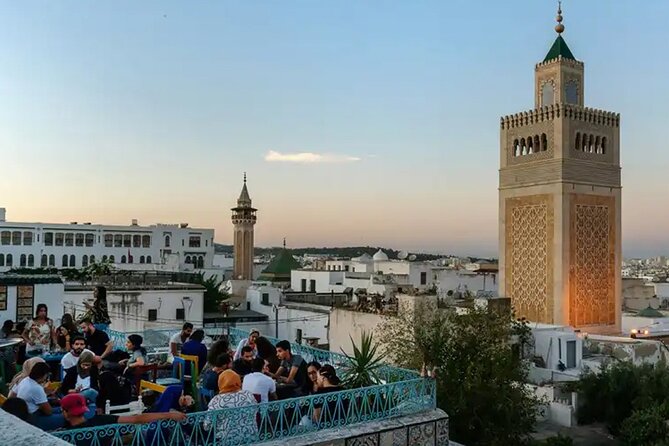
The opening day is dense but well chosen. You begin at the Medina of Tunis, a UNESCO World Heritage Site filled with narrow lanes, souks, old fondouks, palaces, and the Zitouna Mosque. One hour is enough to get a taste of the old city, but not enough for a slow wander through every market street.
I would wear comfortable shoes and keep your belongings close in crowded market areas. The point here is not simply to buy crafts or spices. It is to see how the old center still works as a living part of Tunis, with architecture and commerce sharing the same tight lanes.
Next comes the Bardo Museum, one of Tunisia’s best stops for ancient art. Its Roman mosaics are the main attraction, and the collection also reaches from antiquity into Islamic periods. The museum gives useful context before you see more ruins later in the week. Because the visit lasts about an hour, focus on the major mosaic rooms rather than trying to see every object.
Carthage follows, with about an hour among remains linked to Punic and Roman civilization. The ancient thermal baths, amphitheatre, and harbours show the scale of the old city, though the site is spread out rather than gathered into one compact ruin. Your guide’s explanations will be especially useful here, since the remains can be difficult to read without context.
The day ends in Sidi Bou Said, where white buildings, blue doors, sea views, cafés, and craft shops create a striking change of mood. Two hours gives you time to walk, pause for a drink, and enjoy the Gulf of Tunis from the hillside. Café des Délices is a familiar place for the view, but drinks are not included, so budget for your own refreshment.
Day 2: Dougga, Testour, and Kairouan’s sacred center
Dougga is one of the most rewarding ancient sites on the route. Its theater, Capitol, thermal baths, and other Roman remains sit amid open countryside, giving the visit a calmer feel than the more urban ruins around Tunis. The scheduled hour is short for such a large site, so listen closely to the guide and decide which monuments matter most to you.
Testour offers a very different experience. This small Andalusian-influenced city is known for its unusual reverse clock mosque and its links to Andalusian culture. The stop is only about an hour, but it adds an important layer to the trip. Tunisia is not just Roman ruins and desert scenery. Its towns also reflect movement and settlement from across the Mediterranean.
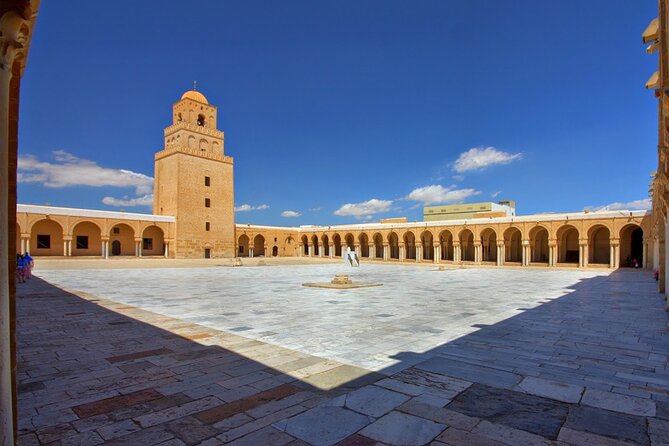
Kairouan receives two hours on this day, followed by another hour on Day 3. As Tunisia’s first holy city, it is known for the Great Mosque, Aghlabid basins, old streets, and carpet shops. The spiritual atmosphere is different from the secular Roman sites earlier in the day.
The mosque is the key sight, but modest dress is the sensible choice when visiting religious places. The souks are also part of the experience, particularly if you are interested in Tunisia’s carpet tradition. Do not feel pressured to buy. A quick look is still worthwhile, and personal spending is not included in the tour price.
Day 3: Kairouan to Tozeur and the date-palm oasis
The second Kairouan visit provides a little more breathing room before the long move south. After that, you head to Tozeur, a desert-edge city known for decorative clay brick architecture and a vast palm grove.
Tozeur’s old Medina is worth viewing at a slow walking pace if the schedule allows. The patterned brickwork gives the streets a distinctive appearance, and it is a welcome change after the monumental stonework of Dougga and Carthage.
The palm grove is described as containing more than 400,000 date palms. That figure helps explain why Tozeur feels like an oasis rather than simply a town beside the desert. The grove represents food, shade, work, and settlement in an otherwise dry region. You get about 90 minutes for the Medina and grove together, so this is more of an introduction than a full agricultural tour.
This is also the point where the route begins to feel more remote. I would keep essentials accessible in the vehicle and treat the day as a transition into southern Tunisia. The reward is the sharp change in scenery and rhythm.
Further south, and a completely different kind of day out:
- Quad Biking (ATV) in Douz Tunisia Sahara Desert
★ 5.0 · 7 reviews - 2 Days Tunisia Sahara Desert Buggy Safari Adventure
★ 4.5 · 7 reviews - Douz Overnight Camp Stay in Sahara Desert with Dinner By Camel
★ 5.0 · 6 reviews - Overnight Tunisia Sahara Desert Safari by 4×4 from Douz
★ 4.0 · 4 reviews
Day 4: Tamerza and Chebika, then across Chott el Jerid
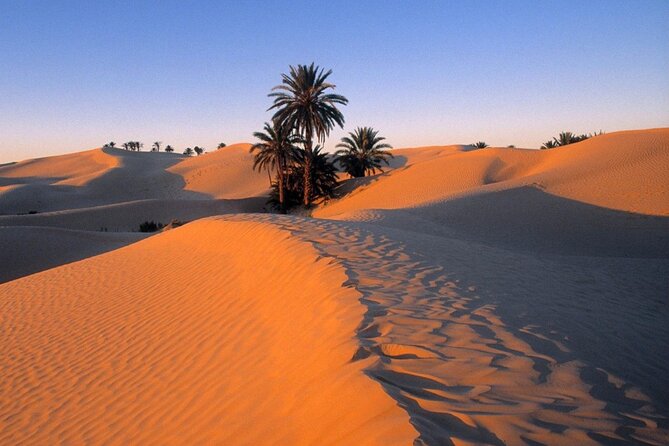
Day 4 is one of the most scenic parts of the trip. Tamerza Canyon brings mountain scenery, palms, waterfalls, old Berber villages, and walking paths. The combination of dry rock and green water-fed growth is what makes the oasis memorable.
You have about 90 minutes at Tamerza. That allows time for a walk and photographs, but not a long hike. Surfaces around canyons and waterfalls may be uneven, so practical footwear is a better choice than anything designed only for the beach.
Chebika, another Atlas Mountain oasis, continues the same theme with gorges, palms, waterfalls, and a former Berber village. The stop lasts about an hour. Tamerza and Chebika share some visual qualities, but seeing both helps you understand the area’s small oasis settlements and the role of water in the desert.
Chott el Jerid is a brief 20-minute stop at a huge salt lake. The open salt flats and changing colors are particularly appealing around sunset, though the exact light depends on the day’s timing. This is a place for a quick look and photographs, not a lengthy activity.
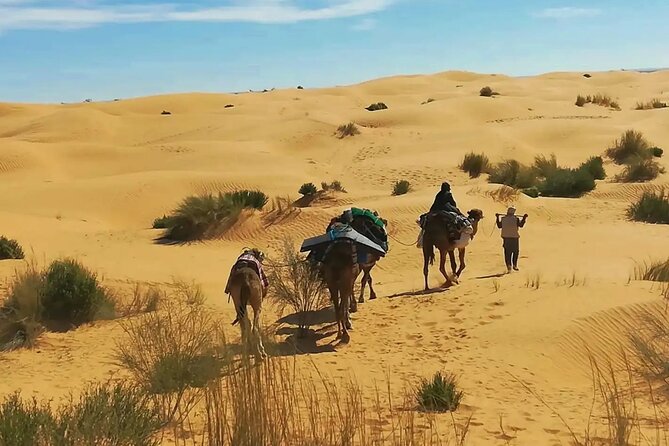
You finish in Douz, known as the Desert Gate. The town has a souk, dunes, and links to Bedouin culture. Camel rides and a night under the stars may be possible as optional activities, but they are not included in the stated price. Ask about cost and timing before committing, since optional outings can affect the rest of your evening.
Day 5: Warm water at Ksar Ghilane and the ksour of Tataouine
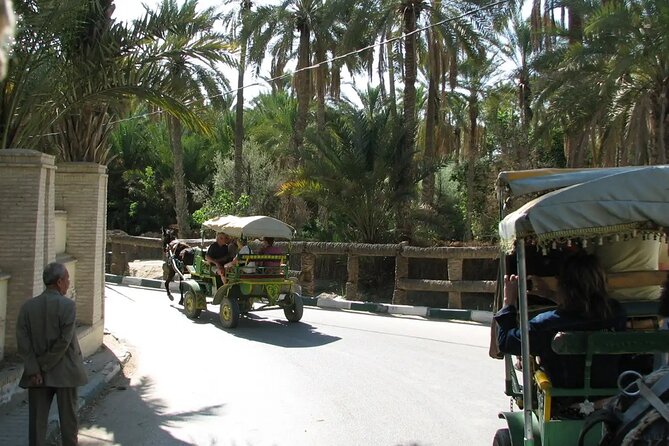
Ksar Ghilane is the trip’s most classic desert stop. Palm trees and a warm spring sit among broad stretches of sand, creating a scene that feels very different from the mountain oases. You have three hours here, the longest single stop on the southern portion of the route.
That extra time matters. You can enjoy the hot spring, see the nearby ruins, or arrange a camel or quad ride. Both activities are optional and cost extra. If you want a quiet morning, the spring and palms may be enough. If you want motion and sand, ask about the rides before the day begins.
Tataouine follows, with about two hours focused on the town and its fortified villages, known as ksour. Ksar Ouled Dabbab is among the named examples. These structures show how people stored goods and lived in fortified desert settlements, and they offer a more meaningful experience than simply visiting a film location.
The area is also linked with scenes from the Star Wars films. That connection can be fun, especially if you recognize the settings, but the ksour deserve attention beyond their screen appearance. Their value comes from local architecture and desert life, not only from cinema trivia.
Day 6: Djerba’s beaches, faith, and modern street art
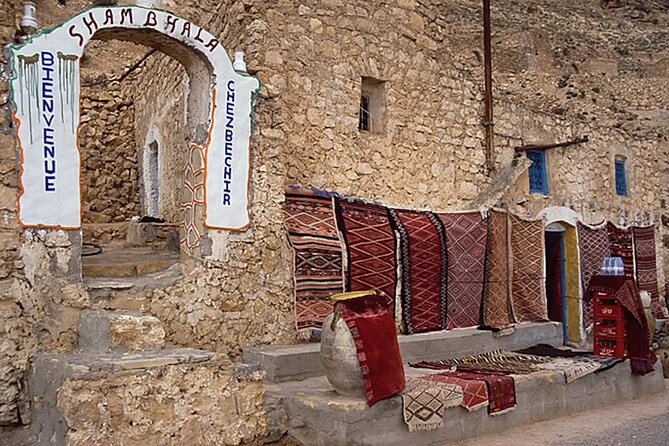
Djerba gives the trip a softer day. The island is known for golden beaches, palms, souks, and a mixture of cultural influences. Four hours is enough for a broad introduction, though not enough to see every major attraction listed for the island.
Possible sights include the El Ghriba Synagogue, Guellala Museum, Djerbahood, Crocodile Park, and local markets. These places represent different sides of Djerba: religious heritage, traditional culture, contemporary art, and family-friendly entertainment.
Djerbahood is especially useful for seeing how an old village setting can become an open-air art district. The island’s culture is not confined to museums. It appears in streets, buildings, workshops, and places of worship.
The schedule does not say which Djerba sights are included in the four-hour visit, so you should confirm the day’s exact plan with the operator. That is one of the few itinerary points I would clarify before paying. If you have a strong preference, such as El Ghriba or Djerbahood, tell the guide early.
Day 7: Matmata caves, El Jem, and the return to Tunis
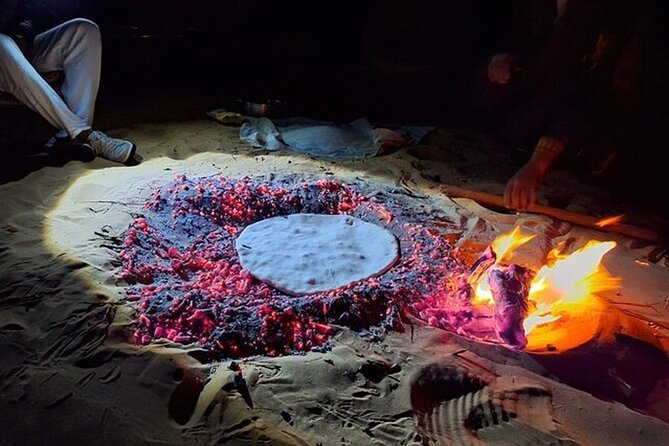
Matmata begins the final day with its famous cave dwellings. These homes are carved into the ground and rock, creating sheltered courtyards and rooms below the surface. The visit offers a direct look at traditional building methods in a harsh climate.
You have about an hour in Matmata after lunch at the hotel. The stop may include a local museum or a chance to meet residents, though the exact choices are not specified. Keep your expectations focused on a short cultural visit rather than a full village study.
El Jem is the final major sight, and it is a strong choice. Its Roman amphitheatre is among the largest and best-preserved in the world. At 40 minutes, the visit is brief, especially if you also want to see nearby ruins and the local museum, but the amphitheatre itself makes a powerful final stop.
The return to Tunis takes about two hours according to the schedule, and the tour ends there. Since the overall route includes long transfers, I would avoid booking an important flight or tight connection immediately after the stated end unless you have confirmed the arrival time directly.
Meals, price, and what the cost really covers
At $2,184.68 per person, the tour is expensive compared with a simple self-guided trip. Its value depends on how much you want handled for you. Six breakfasts, seven lunches, and six dinners are included, along with accommodation and professional support throughout the trip.
That meal coverage is useful in southern Tunisia, where you may not want to search for a restaurant after a long drive. It also makes budgeting easier. Drinks are excluded, as are souvenirs and optional camel, quad, and carriage activities.
The price makes more sense for you if you value a private group, a planned route, included meals, and support from a local agency. It makes less sense if you are comfortable arranging hotels, transport, and site visits independently. Group discounts may be available, so larger parties should ask before booking.
The tour is non-refundable and cannot be changed after purchase. That rule matters at this price. Check your dates, group size, and expectations carefully before committing.
Who should book this Tunisia journey?
I would recommend it to a first-time visitor who wants to connect Tunisia’s major regions in one organized trip. It is also a good fit for couples, families, or friends who want a private vehicle and a guide rather than a large group experience.
You should be comfortable with early starts, a full schedule, and long stretches between destinations. The start time is 7:30 am, and several visits last only one hour. The route rewards curiosity and flexibility more than a desire for long, leisurely stops.
The strongest reason to book is the combination of places. Few short trips connect Carthage, the Bardo, Dougga, Kairouan, Tozeur, the mountain oases, the Sahara, Tataouine, Djerba, Matmata, and El Jem.
Final verdict: a broad and rewarding first look at Tunisia
Book this tour if you want range, structure, included meals, and private guidance, and if the $2,184.68 price fits your budget. The praise for Mr. Nagi’s availability and Mohammed’s guiding suggests that personal service is an important part of the experience.
Skip it if you want to settle into one town, avoid long drives, or spend half a day at every ruin. This is a fast-moving portrait of Tunisia, but it is an impressive one, moving from Medina lanes to Roman stone, from palm oases to salt flats, and from desert ksour to island beaches.
FAQ
How long is the tour?
The tour lasts approximately seven days.
Where does the tour start?
It starts in Tunis at 7:30 am.
Is pickup offered?
Yes, pickup is offered.
Is this a private or shared tour?
It is a private tour or activity, and only your group participates.
What meals are included?
The package includes six breakfasts, seven lunches, and six dinners.
Are drinks included?
No. Drinks are not included.
Are camel rides and quad rides included?
No. Camel, quad, and carriage activities are optional and cost extra.
Which major archaeological sites are included?
The route includes Carthage, Dougga, Kairouan, El Jem, and the Bardo Museum, along with other cultural sites.
Can the booking be canceled or changed?
No. The experience is non-refundable and cannot be changed for any reason.
Newest from Douz
- Tunisia Sahara Desert Camel Ride in Douz★ 4.5 · 2 reviews
- Overnight Tunisia Sahara Desert Safari by 4×4 from Douz★ 4.0 · 4 reviews
- 40 Minutes Private Quad on the Dunes in Douz★ 5.0 · 2 reviews
- Camel & Quad Combo In Douz Sahara Desert★ 5.0 · 4 reviews
- Douz Overnight Camp Stay in Sahara Desert with Dinner By Camel★ 5.0 · 6 reviews
- Quad Biking (ATV) in Douz Tunisia Sahara Desert★ 5.0 · 7 reviews
- 2 Days Tunisia Sahara Desert Buggy Safari Adventure★ 4.5 · 7 reviews
- Sunset or Sunrise Camel ride in the Sahara Desert of Douz★ 4.5 · 9 reviews
Douz Tours, compared.
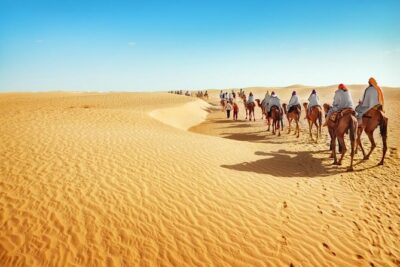
2-Day Tunisia Sahara Desert Camel Trek from Douz
Read our review →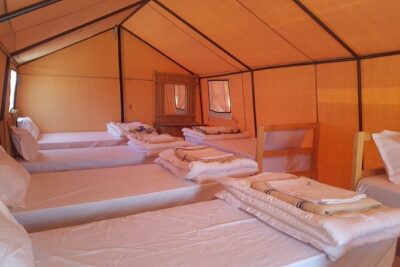
3-Day Tunisia Sahara Desert Camel Trek from Douz
Read our review →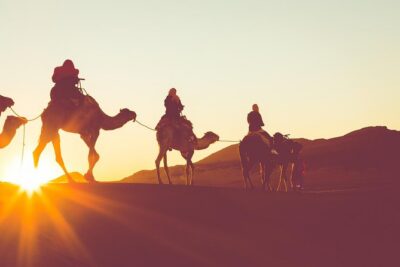
Sunset or Sunrise Camel ride in the Sahara Desert of Douz
Read our review →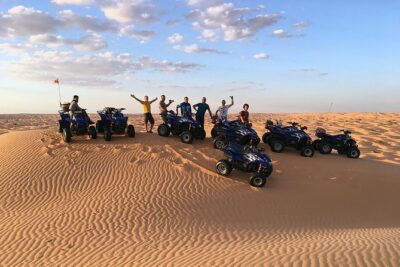

2 Days Tunisia Sahara Desert Buggy Safari Adventure
Read our review →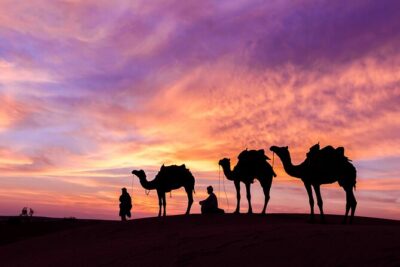
Douz Overnight Camp Stay in Sahara Desert with Dinner By Camel
Read our review →
Overnight Tunisia Sahara Desert Safari by 4×4 from Douz
Read our review →Browse the lists this tour appears in