
Reviewed · BARDO MUSEUM TOURS
From Hammamet or Tunis: Carthage, Bardo, Sidi Bou said and Medina
Ancient Carthage meets blue-and-white Sidi Bou Said. This full-day private tour gives you a strong first look at Tunisia, moving from Roman ruins and Punic sites to the Bardo Museum and the lively lanes of Tunis Medina. I especially like the wide mix of sights and the fact that your own group travels with a guide and driver. The main drawback is pace: eight hours covers a lot, so you may want more time at Carthage or Sidi Bou Said than the schedule allows.
The tour costs $35 per person, which is good value when admission tickets and private transport are included. Guides such as Bouhdid, Boutheina, Saif, and Haudi have been praised for clear explanations and a friendly manner, while drivers including Halim and Momo have helped make the long day feel calm and easy. Check the day carefully, though, because the Bardo Museum is closed on Monday.
In This Review
- Key points to know before you book
- Why this makes a good first day in Tunisia
- Walking through Carthage’s scattered ruins
- The Antonine Baths and the Roman waterfront
- The Tophet and Carthage Aqueduct
- Sidi Bou Said’s blue-and-white streets
- Roman mosaics inside the Bardo Museum
- Entering Tunis through Bab Bhar
- The Medina, Zitouna Mosque, and traditional markets
- The guide and driver can shape the whole day
- Is $35 good value?
- Who should book this experience?
- My verdict on Carthage, Bardo, and Tunis
- FAQ
- Where does the tour start?
- How long does the tour last?
- Is this a private tour?
- Is the tour suitable for most people?
- Is the Bardo Museum open every day?
- Are admission tickets included?
- Is there a vegetarian option?
- What will I see in Sidi Bou Said?
- Which places are included in the Medina visit?
- Can I cancel for a full refund?
Key points to know before you book
- Carthage covers more than one site: You visit the main archaeological area, Antonine Baths, Tophet, and Carthage Aqueduct.
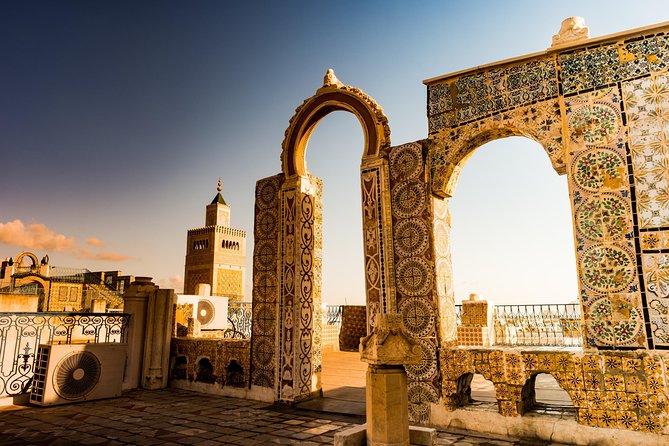
- Sidi Bou Said brings the visual break: Its white walls, blue details, coastal views, and relaxed streets contrast sharply with the ruins.
- The Bardo Museum is a major stop: One hour is devoted to Roman mosaics and objects from Tunisia’s past.
- Tunis Medina is a walking finish: You see Bab Bhar, Zitouna Mosque, the cap-makers market, and the perfume market.
- It is a private experience: Only your group participates, with pickup available from Hammamet or Tunis.
- Plan for a full day: The tour lasts about eight hours, and the schedule leaves little room for long unscheduled stops.
Why this makes a good first day in Tunisia
Tunisia can feel hard to place at first. The country carries Punic, Roman, Islamic, Ottoman, and modern layers, and these do not always appear in one tidy district. This tour helps you connect them in a single day.
I like the order of experiences because it keeps changing the mood. You begin with open archaeological ground and sea views, then move to a postcard-like coastal village. After that comes the Bardo Museum, where the details of Tunisia’s past are indoors and easier to understand, followed by the narrow lanes of the Medina.
The private format matters here. You are not tied to the pace of a large group, and the guide can respond to your interests or limits. One family traveling with a seven-month-old specifically appreciated how the driver, Haythem, helped keep the day comfortable. Another couple was able to shift their date after an illness and received a private vehicle with a driver and guide.
That flexibility does not mean the day is leisurely. Carthage is spread across several locations, and Tunis is some distance from Hammamet. You should expect a busy schedule, walking on uneven surfaces, and a fair amount of time in the vehicle.
More Carthage Tours in Hammamet
- Private tour: Medina,Carthage ,Sidi Bou Said, Bardo Museum+lunch
★ 5.0 · 194 reviews - Tunis, Sidi Bousaid and Carthage day trip from Hammamet
★ 4.5 · 44 reviews - Tunis Carthage airport transfer to Hammamet
★ 5.0 · 34 reviews
Walking through Carthage’s scattered ruins
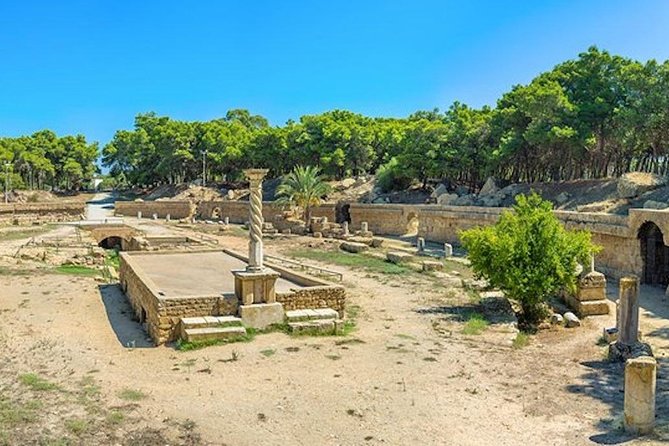
Carthage is not one enclosed ruin with a single dramatic entrance. It is a broad archaeological zone where pieces of a once powerful city appear across modern surroundings. That can be confusing without a guide, but it also gives the place a more authentic, less staged feel.
The tour allows about two hours at the main archaeological site. You may see remains linked to homes, drainage systems, city walls, and Byrsa Hill. The scale is important. Excavations have revealed five-story houses, and the old walls once stretched about 21 miles, or 34 kilometers, across the hill.
The Roman destruction of Carthage in 146 BC is central to the story. The Romans defeated the Punic city and rebuilt it as a major Roman center. As you move around the ruins, your guide can help separate the earlier Punic period from the later Roman remains, which otherwise may look like a jumble of stone foundations.
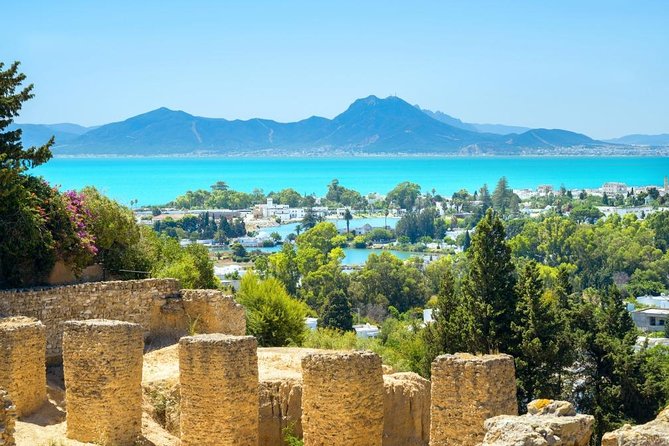
I would pay close attention to the views from the higher ground. The coastline helps explain why Carthage mattered. This was not simply an inland settlement. Its position gave it access to sea routes and helped make it a force in the western Mediterranean.
The main limitation is that the remains are fragmentary. If you expect standing temples and complete streets, you may find Carthage less immediately dramatic than a preserved Roman town. Its reward comes from seeing the extent of the site and understanding what has disappeared.
The Antonine Baths and the Roman waterfront
The 30-minute stop at the Baths of Antoninus gives you a sharper sense of Roman Carthage. The baths were a large public complex near the sea, and the surviving columns, foundations, and underground spaces show the ambition of the original structure.
This is one of the easiest places to picture daily Roman life. Public baths were not just for washing. They were social spaces, and their size tells you something about the wealth and importance of the city.
You will not spend hours here, so listen for the guide’s explanation of how the complex worked. The coastal setting also makes this a fine place for photographs, especially if you enjoy combining ruins with sea views.
The short visit is practical, but some people may wish for more time. Carthage rewards slow looking, and a quick stop can feel brief if you are interested in Roman engineering.
The Tophet and Carthage Aqueduct
The one-hour stop at Tophet brings you to one of the more serious and debated parts of Carthage. This sanctuary and burial area is associated with the ancient Punic period. Its stones and markers are less visually grand than the baths, but the site is important for understanding religious practice and the difficult questions surrounding sacrifice and child burials in Carthage.
This is a stop where a good guide makes a real difference. The subject can be disturbing, and the evidence is complex. Your guide can explain what archaeologists have found without turning the visit into a sensational story.
The Carthage Aqueduct receives about 30 minutes. Its surviving traces show how Roman engineers moved water across long distances to support a major city. Much of the structure is spread out, so you may not see one perfectly preserved bridge-like monument. Still, the stop adds useful context to the baths and urban remains.
Taken together, these Carthage visits are stronger than seeing only one ruin. You get the city’s public life, religious past, engineering, homes, and coastal position. The trade-off is that you spend less time lingering at any individual monument.
More Bardo Museum Visits in Hammamet:
- VIP Tour: Tunis Medina/Bardo, Sidi Bou Said, Carthage |PICKUP ALL
★ 5.0 · 512 reviews - Private tour: Medina,Carthage ,Sidi Bou Said, Bardo Museum+lunch
★ 5.0 · 230 reviews - Carthage, Bardo Museum, Sidi Bou Said and Medina Private Day Tour
★ 4.5 · 153 reviews - Tunis: Carthage, Bardo Museum, Sidi Bou Said & Medina Group Tour
★ 4.5 · 33 reviews
Sidi Bou Said’s blue-and-white streets
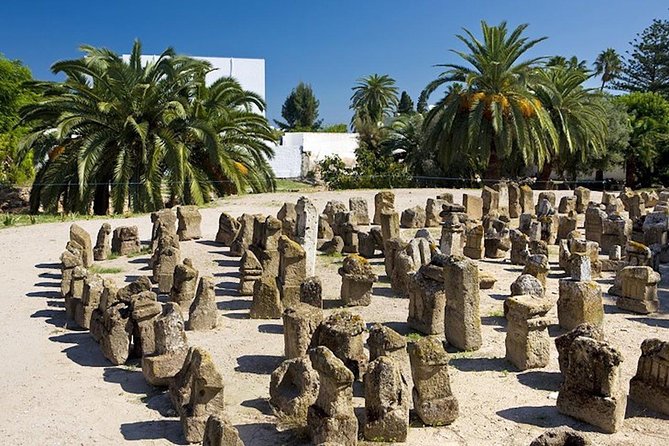
After the ruins, Sidi Bou Said feels almost like a change of country. The village is known for white buildings with blue doors, shutters, and trim, along with views over the Mediterranean. The tour gives you about one hour to walk through its historic center.
I like this pause in the day. Carthage asks you to study foundations and fragments. Sidi Bou Said asks you to slow down, look up, and enjoy the setting. The narrow streets, bright walls, and sea views give you a chance to reset before the museum and Medina.
You will have free time here rather than an included admission visit. That makes the stop flexible, but it also means the exact experience depends on how you choose to use the hour. You can wander, take photographs, and enjoy the atmosphere, or simply find a good viewpoint.
One useful tip is to guard this hour. A full-day schedule can make it tempting to rush through Sidi Bou Said. One family felt the museum took more time than they wanted, while Carthage and Sidi Bou Said deserved longer. If coastal views and village streets matter more to you than museum displays, tell your guide early.
Roman mosaics inside the Bardo Museum
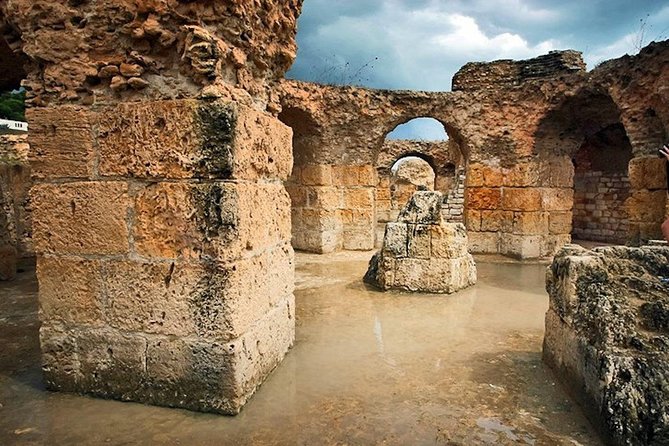
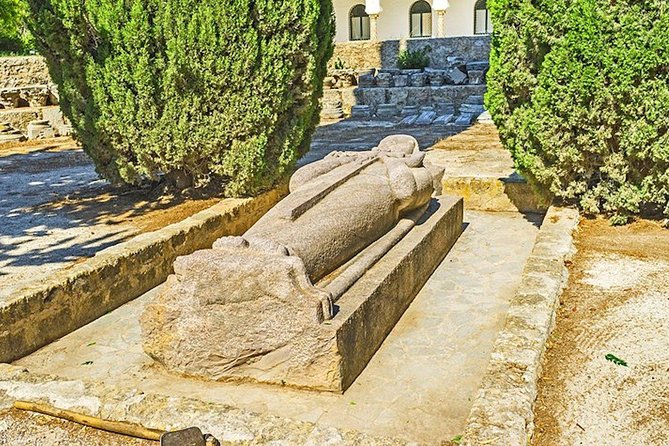
The National Museum of Bardo is the indoor centerpiece of the day. The tour allows one hour, and admission is included. The museum is known for one of the world’s largest collections of Roman mosaics, along with objects covering several periods of Tunisian history.
The mosaics are the reason to pay attention here. They are not merely decorative floors. They show animals, gods, daily scenes, geometric designs, and the artistic skill of Roman North Africa. A guide can help you read the images and understand why Tunisia became such an important part of the Roman world.
The museum also gives you something the ruins cannot: objects that have survived in a more complete form. After seeing scattered walls at Carthage, you can look at polished mosaics and artifacts that reveal the wealth, taste, and daily concerns of earlier societies.
One hour is enough for an introduction, but not enough for every gallery. I would ask your guide to focus on the most important rooms rather than trying to see everything. The museum can be absorbing, yet it may feel long if your main interests are architecture, coastlines, and street life.
Remember that the Bardo Museum is closed on Monday. This is the most important scheduling point in the whole tour. If your date falls on Monday, confirm how the experience will be handled before you book.
Entering Tunis through Bab Bhar
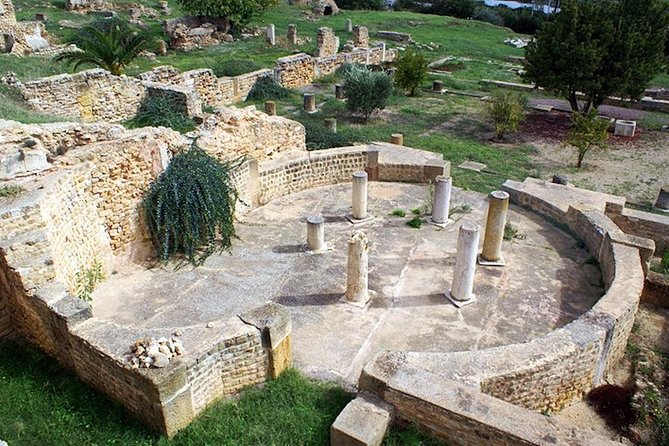
The visit to Bab Bhar takes about 15 minutes and serves as a clear gateway into the Medina of Tunis. This famous gate marks the transition from the newer city toward the old quarter.
It is a short stop, but it helps you understand the layout of Tunis. The gate is not just a photo opportunity. It gives the walking portion a natural beginning and helps you notice the contrast between broad modern streets and the close, winding lanes beyond.
From here, the tour moves into the Medina, a UNESCO-listed old city. You will walk rather than simply view it from the vehicle, which is the right way to experience this part of Tunis.
The Medina, Zitouna Mosque, and traditional markets
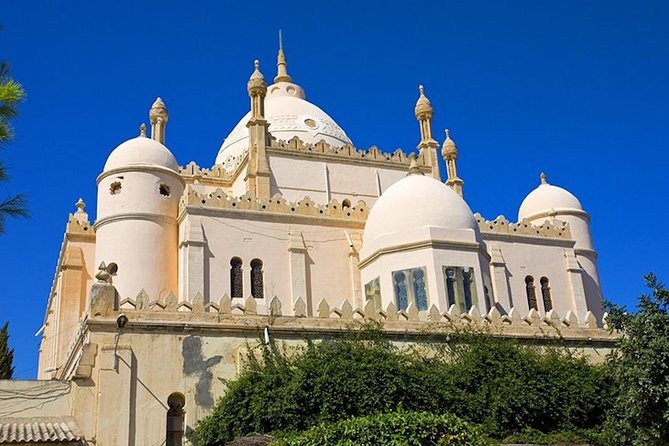
The Medina visit lasts about one hour. That is enough to get a taste of its main sights, but not enough to explore every lane. Your guide leads you toward Zitouna Mosque, a traditional cap-makers market, and the colorful perfume market.
The Medina works best when you accept that it is busy and layered. Shops, workshops, places of worship, and narrow passages sit close together. It can feel more intense than Sidi Bou Said, but it offers a much more direct look at everyday city life.
Zitouna Mosque is an important landmark in the old city. The supplied schedule includes a visit, though it does not give a separate duration or specify access conditions. Dress and entry expectations can vary, so follow your guide’s instructions and do not assume every interior area will be open.
The cap-makers market and perfume market add a human scale to the history. You are not only looking at old buildings. You are seeing specialist trades and traditional commercial spaces that still shape the Medina’s character.
An hour passes quickly here. If shopping is important to you, ask how much free time is available before you begin. The goal of this tour is a broad introduction, not an extended shopping visit.
The guide and driver can shape the whole day
The sights are excellent, but the quality of explanation and driving matters just as much. The most warmly praised guides include Bouhdid, Boutheina, Saif, Haudi, and Haythem. Their strengths, based on the comments provided, include clear English, humor, warmth, and the ability to adjust the day to the group.
Bouhdid was singled out for interesting facts, excellent English, and attention to personal limits. Boutheina was described as lively and engaging around the historical sites, with Yasin also helping make the day enjoyable. Haudi made the outing feel relaxed and companionable, while Saif received praise for presenting Tunisian culture in an approachable way.
The drivers also received strong praise. Halim was noted for calm, safe driving, and Momo was thanked for making the transport easy. This matters because the route is long and the roads can feel tiring if you are not comfortable in the vehicle.
Language support appears to be a strength. The information includes positive feedback about English and a German-speaking guide, as well as French-language service. Still, confirm your preferred language when booking rather than relying on availability.
Is $35 good value?
At $35 per person, this is an inexpensive way to combine four major Tunisian experiences in one day. The price includes admission tickets for the Carthage archaeological sites, the Antonine Baths, Tophet, the aqueduct stop, and the Bardo Museum. Pickup is offered, and the experience is private rather than a shared group outing.
That combination gives the tour strong value. You avoid arranging transport between scattered Carthage sites, the museum, Sidi Bou Said, and the Medina. You also have a guide to connect places that can otherwise feel unrelated.
The low price does come with a practical compromise: the schedule is full. You are buying breadth, not long stays at each stop. If you prefer to photograph every corner, sit over a long meal, or browse markets at leisure, a custom private day with fewer sites may suit you better.
Group discounts are available, and a vegetarian option can be requested in advance. Most people can take part, but you should expect walking around archaeological ground and through narrow Medina streets.
Who should book this experience?
I would choose this tour for a first visit to Tunisia, especially if you are staying in Hammamet and want to see Tunis without planning several separate day trips. It is also a good fit if you want history, architecture, museum art, coastal scenery, and markets in one package.
Families may appreciate the private format because the guide and driver can respond to a child’s needs. The experience also suits couples and small groups who want a broad introduction without sharing the vehicle with strangers.
I would hesitate if you already plan to spend several days in Tunis and can visit Carthage, Bardo, Sidi Bou Said, and the Medina at your own pace. You may prefer to split the stops across two or three days.
Book with two details in mind: allow the full eight hours, and avoid Monday if the Bardo Museum is essential. Free cancellation is available until 24 hours before the start time. Poor weather or failure to reach the minimum number of participants can lead to a new date, another experience, or a full refund.
My verdict on Carthage, Bardo, and Tunis
This tour earns its strong reputation through its range, private setup, and capable guides. I like that you see the grand remains of Carthage, the charm of Sidi Bou Said, the art inside Bardo, and the working streets of the Medina in one well-packed day.
The best reason to book is simple: you want a useful overview of Tunisian culture and history without wrestling with transport. The best reason to skip it is equally clear: you want generous free time at each stop.
For most first-time visitors based in Hammamet or Tunis, I would book it. Tell your guide if Carthage and Sidi Bou Said matter most to you, and keep the Bardo visit focused. With that small adjustment in expectations, $35 buys a remarkably broad introduction to northern Tunisia.
FAQ
Where does the tour start?
Pickup is offered from Hammamet or Tunis.
How long does the tour last?
The experience lasts approximately eight hours.
Is this a private tour?
Yes. Only your group participates in the activity.
Is the tour suitable for most people?
Most people can participate. The day includes walking through archaeological areas and the Medina of Tunis.
Is the Bardo Museum open every day?
No. The Bardo Museum is closed on Monday.
Are admission tickets included?
Admission is included for the Carthage archaeological sites, the Baths of Antoninus, Tophet de Carthage, Carthage Aqueduct, and the Bardo Museum.
Is there a vegetarian option?
Yes. Request the vegetarian option when booking.
What will I see in Sidi Bou Said?
You will explore its blue-and-white historic streets and enjoy views toward the Mediterranean Sea.
Which places are included in the Medina visit?
The tour includes Bab Bhar, Zitouna Mosque, the cap-makers market, and the perfume market in Tunis Medina.
Can I cancel for a full refund?
Yes. You can cancel at least 24 hours before the local start time for a full refund. Changes or cancellations made less than 24 hours in advance are not accepted.
More Medina Walks in Hammamet
- Tour to the Medina of Hammamet and the Spice Market of Nabeul
★ 4.0 · 45 reviews - Private Excursion of Friguia Park and Medina of Hammamet
★ 4.5 · 4 reviews - Guided tour in the UNESCO world heritage Medina of Tunis
★ 5.0 · 68 reviews - Private Day Tour Tunis Medina Carthage Sidi Bou Said Bardo Museum
★ 5.0 · 30 reviews
More Sidi Bou Said Trips in Hammamet
- Ancient Carthage and Sidi Bou Said Half Day Tour with Lunch
★ 4.0 · 9 reviews - Private Guided Excursion Tunis, Carthage and Sidi Bou Said from Hammamet
★ 5.0 · 8 reviews - Tunis, Carthage and Sidi Bou Said Self-Guided Excursion from Hammamet
★ 4.5 · 4 reviews - Archaelogical Site Of Carthage + Picturesque Village Of Sidi Bou Said
★ 5.0 · 56 reviews
Newest from Hammamet
- Kairouan & El Jem Small Group Tour from Tunis, Hammamet or Sousse★ 5.0 · 6 reviews
- 4-Day Private Tour: Sahara and Djerba Island from Tunis and Hammamet★ 5.0 · 4 reviews
- 2days 4×4 SAFARI from Sousse, Hammamet,Tunis – 4*hotel accommodation★ 3.5 · 6 reviews
- Enfidha Private Arrival Airport Transfer to Hammamet★ 4.5 · 4 reviews
- 3DAYS 4×4 safari from Sousse/Hammamet/Tunis 100km deep in desert camp★ 4.5 · 3 reviews
- Transfer from Airport Tunis Carthage To Hammamet★ 5.0 · 2 reviews
- Kairouan, El Djem, Monastir Self-Guided Excursion from Hammamet★ 4.5 · 5 reviews
- From Hammamet: Sahara Desert Overnight Camping★ 4.5 · 2 reviews
Bardo Museum Tours, compared.
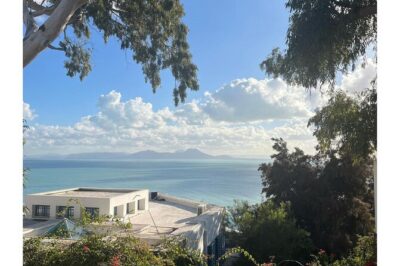
VIP Tour: Tunis Medina/Bardo, Sidi Bou Said, Carthage |PICKUP ALL
Read our review →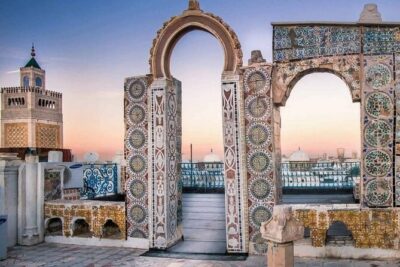
Private tour: Medina,Carthage ,Sidi Bou Said, Bardo Museum+lunch
Read our review →Private tour: Medina,Carthage ,Sidi Bou Said, Bardo Museum+lunch
Read our review →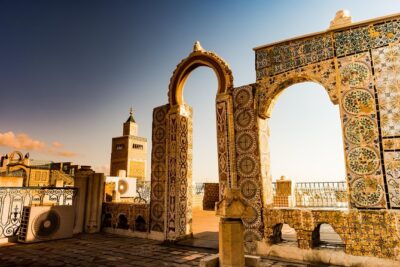
Carthage, Bardo Museum, Sidi Bou Said and Medina Private Day Tour
Read our review →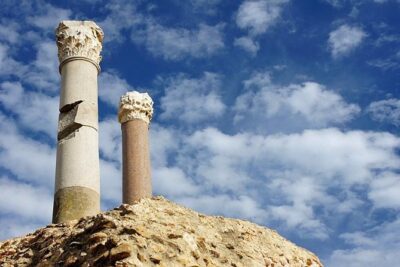
Carthage, Bardo Museum, Sidi Bou Said & Medina Group Tour
Read our review →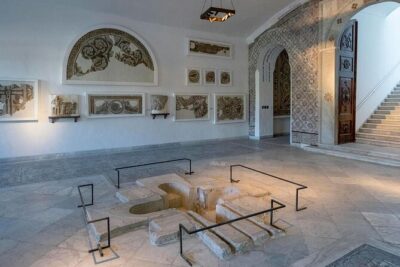
Private Day Tour Tunis Medina Carthage Sidi Bou Said Bardo Museum
Read our review →Private tour: Medina,Carthage ,Sidi Bou Said, Bardo Museum+lunch
Read our review →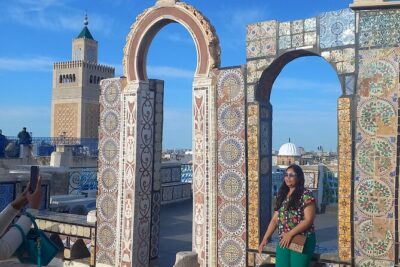
Daytrip Carthage Sidi Bousaid Bardo and Tunis Medina
Read our review →Browse the lists this tour appears in