
Reviewed · BARDO MUSEUM TOURS
Bardo Museum , Oudhna and the roman aqueduct
Three major Roman stops, one long day. This private Tunis excursion links the Bardo Museum, Carthage’s ancient water system, and Oudhna in one useful route. I like the mix of indoor art and open-air ruins, plus the comfort of an air-conditioned vehicle. The main drawback is the pace: six to seven hours gives you a good introduction, but not endless time at each site.
I also like that the tour reaches beyond the usual Carthage highlights. The aqueduct and Oudhna show how Roman Tunisia worked as a connected place, not just a collection of grand ruins. You should know that lunch is not included, and the day involves several hours of sightseeing, so comfortable shoes, water, and sun protection will help.
In This Review
- Key points at a glance
- Why this Tunis day works so well
- Two hours inside the Bardo Museum
- Carthage’s Malaga Cisterns and the water supply
- The Zaghouan aqueduct, a 132-kilometer engineering project
- Oudhna’s amphitheatre and Roman public life
- What the driving time adds to the day
- Lunch, comfort, and small practical concerns
- Is $258.49 good value for two?
- Who should book this experience?
- Should you book it?
- FAQ
- How long does the tour last?
- How many people can join the private tour?
- Is hotel pickup available?
- Is admission to the Bardo Museum included?
- Is lunch included?
- What happens if bad weather cancels the tour?
- Can I cancel for a full refund?
Key points at a glance
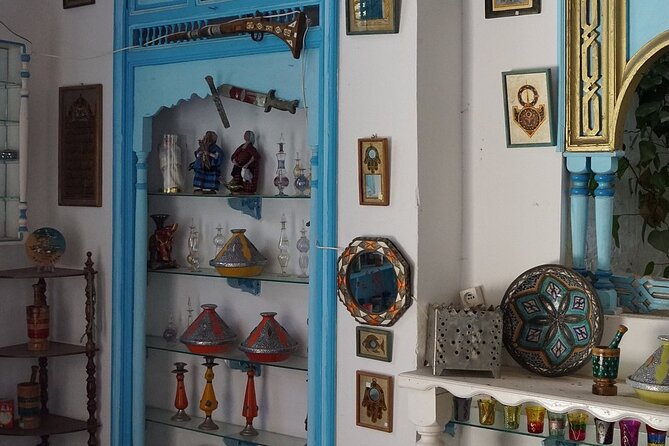
- Bardo Museum’s Roman mosaics: Spend about two hours among one of the world’s largest collections of Roman mosaics, displayed inside a former Ottoman royal palace.
- The Carthage cisterns: See the Malaga Cisterns, a group of 18 water containers tied to the end of the ancient aqueduct system.
- A 132-kilometer water route: Follow the story of the aqueduct that carried spring water from Zaghouan to Carthage.
- Oudhna’s 16,000-seat amphitheatre: Walk through one of the day’s most striking Roman structures, set among archaeological remains and open country.
- Private touring for up to two people: The $258.49 group price becomes about $129.25 per person when two people share it.
- A flexible weather policy: Poor weather can lead to a different date or a full refund, while cancellations made at least 24 hours ahead receive a full refund.
Why this Tunis day works so well
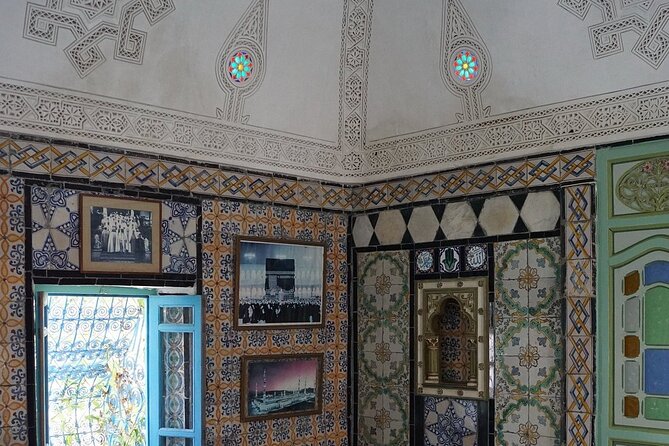
This tour has a clear theme: water, power, art, and Roman life in what is now Tunisia. You begin with objects and decoration at the Bardo Museum, then move outdoors to the engineering of Carthage’s water supply, and finish at Oudhna, where public buildings, mosaics, and underground spaces show how a Roman settlement functioned.
I like this order. The museum gives you visual context before you reach the ruins. Once you have seen mosaics, sculptures, and palace rooms, the aqueduct and Oudhna feel less like isolated stone remains and more like parts of a larger Roman system.
The private format matters. Only your group participates, and the experience is designed for up to two people. That makes it a good fit if you prefer not to wait for a larger coach group or if you want a quieter day with your own companion.
The route is also practical for a visitor based in Tunis. Rather than arranging separate transport to three sites, you have one air-conditioned vehicle and one planned day. Pickup is offered, though the exact pickup details are not provided, so confirm the meeting point when booking.
More Bardo Museum Visits in Tunis
- Private tour: Medina,Carthage ,Sidi Bou Said, Bardo Museum+lunch
★ 5.0 · 230 reviews - Carthage, Bardo Museum, Sidi Bou Said and Medina Private Day Tour
★ 4.5 · 153 reviews - Tunis: Carthage, Bardo Museum, Sidi Bou Said & Medina Group Tour
★ 4.5 · 33 reviews
Two hours inside the Bardo Museum
The Bardo Museum is the artistic heart of the day. It occupies a grand Ottoman-era royal palace, where ornate rooms provide a dramatic setting for a very large collection of Roman mosaics.
The mosaics are not simply decorative floors. They can show gods, animals, sea scenes, daily activities, geometric patterns, and stories from classical mythology. At the Bardo, you get a chance to see how Roman wealth appeared inside private homes and public buildings across North Africa.
Allowing two hours is sensible. I would not treat this as a quick museum stop. The collection is large enough that you may need to choose your priorities rather than attempt to inspect every room with equal care.
The palace setting adds another layer. You are looking at Roman art inside a later royal building, so the visit moves between two periods of Tunisian history. The result is more varied than a standard archaeological museum arranged in a modern gallery.
The museum is also a useful beginning because it provides shelter from the sun and gives your eyes a break before the outdoor sites. If you appreciate design, art, and small details, this may be the part of the day you remember best.
Still, two hours can pass quickly. If you want to read every label or study each mosaic closely, you may feel pressed for time. Ask your guide how the museum visit will be handled, especially if you have a particular interest in Roman art.
Carthage’s Malaga Cisterns and the water supply
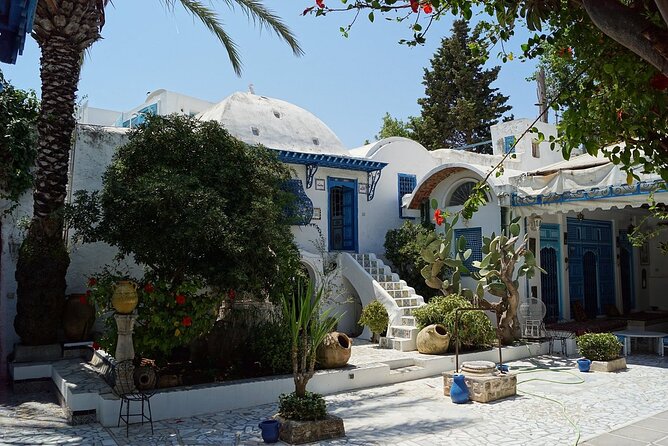
The Carthage stop focuses on the Malaga Cisterns, described as 18 large water containers at the end of the aqueduct system. Together, they could hold up to 32,000 litres of water per day.
This is a different kind of ancient monument. The cisterns do not have the instant visual drama of an amphitheatre or a temple, but they explain how Carthage supported a major urban population. Water storage was basic infrastructure, yet it determined where people could live, work, and build.
The stop lasts about 30 minutes. That is enough for a focused look and some explanation, but not a long exploration. You will want to pay attention to the scale and arrangement of the containers, since the importance of the site comes from its purpose rather than from elaborate decoration.
I find this stop valuable because it changes the way you think about ancient cities. The grand buildings get the attention, but the cisterns reveal the daily machinery behind city life. Without a dependable water source, Carthage could not have operated on such a large scale.
The site is part of the Carthage archaeological area, so it also helps connect this excursion with the wider story of Carthage as the capital of Colonia Africa. The tour does not attempt to cover every Carthage ruin. Instead, it selects one practical and memorable part of the city’s infrastructure.
The Zaghouan aqueduct, a 132-kilometer engineering project
After the cisterns, the route turns toward the aqueduct linked to Mount Zaghouan. The full channel extended about 132 kilometers, carrying spring water toward Carthage.
That distance is the striking fact here. Roman engineers had to move water over a long route from mountainous springs to a major city. The aqueduct was not one isolated bridge, but a much larger water system that included channels, changes in level, and storage facilities.
The listed stop is about 30 minutes from Carthage, and the aqueduct point is about six kilometers from Oudhna, along the road between Mhammedia and El Fahs. The day therefore uses the drive as part of the experience, connecting the water source story with the settlements that benefited from Roman planning.
This stop is best for you if you enjoy practical history. There may not be a large museum or a long walking route here. The interest lies in understanding what the structure did and how far the system reached.
The aqueduct is often linked with the reign of Hadrian, and the remains are presented as one of the fine Roman architectural achievements in the area. Seeing it after the Carthage cisterns gives the engineering story a clear beginning and end: water was collected in the Zaghouan area, carried toward Carthage, and stored for urban use.
The aqueduct stop is free of charge, as is the Oudhna archaeological park. Admission costs are included where applicable, but you should still confirm current opening arrangements before departure if your plans are tight.
Further south, and a completely different kind of day out:
- Private Tour to Kairouan, El Jem & Monastir from Tunis_hammamet
★ 5.0 · 301 reviews - Private Excursion to Testour, Dougga and Bulla Regia from Tunis.
★ 5.0 · 100 reviews - Guided Bike Tour of Carthage Archeological Site in Tunisia
★ 5.0 · 88 reviews - Guided tour in the UNESCO world heritage Medina of Tunis
★ 5.0 · 68 reviews
Oudhna’s amphitheatre and Roman public life
Oudhna is the longest outdoor stop, with about two hours set aside for the archaeological park. It is located roughly six kilometers from the aqueduct stop and offers a broader view of Roman life than the cisterns alone.
The headline feature is the Roman amphitheatre, built to hold about 16,000 spectators. That capacity gives you a sense of Oudhna’s former importance. Even if parts of the structure are worn or incomplete, the size of the seating area and arena helps you picture organized public entertainment on a large scale.
I would take time to look at how the amphitheatre is arranged rather than rushing through it for a single photograph. The proportions, entrances, and relationship between the audience area and arena explain how the building worked.
Oudhna also includes the Capitol, a major religious and civic building. Its mosaics and underground vaults, including features dating to the Byzantine period, add variety to the visit. The site is not only about Rome at its peak. Later use and alteration form part of what you see.
The Villa Laberii mosaics are another important stop. They return you to the detailed floor art introduced at the Bardo, but here the mosaics are connected to the setting of a Roman villa. That link can make the designs easier to understand as part of a home rather than as objects separated from their original surroundings.
The park is described as being surrounded by nature, which gives Oudhna a calmer feel than a crowded city site might offer. You may find the open setting refreshing after the museum and the road stops. It also means sun exposure can be greater, so bring a hat, water, and sensible footwear.
Two hours should allow a worthwhile visit, though the area may reward a slower pace than the schedule permits. If you are especially interested in architecture or mosaics, ask how much time will be spent at the amphitheatre, Capitol, and Villa Laberii.
What the driving time adds to the day
The air-conditioned vehicle is included, and that is a real advantage in Tunisia’s heat. The route covers several locations, so a comfortable transfer is more valuable here than it would be on a compact walking tour.
The drive also helps you understand the geography. Carthage needed water from far beyond its immediate surroundings, while Oudhna sat along the route connected with the aqueduct. You are not simply moving between unrelated attractions.
The exact pickup area and vehicle capacity beyond the private group size are not specified. I would confirm those details before booking, especially if you are staying outside central Tunis.
Because the tour lasts six to seven hours, plan for a full half-day or more. The timing includes the museum, three outdoor or archaeological stops, and the transfers between them. You will get a broad introduction rather than a slow, specialist study of every ruin.
Lunch, comfort, and small practical concerns
Lunch is not included. One useful detail from the experience information is that a farm lunch was enjoyed on one occasion, but you should not assume that meal forms part of the tour price. Ask the provider if a lunch stop can be arranged, or carry a suitable snack if you prefer to keep the schedule moving.
The air-conditioned vehicle helps with the longer route, but it does not remove the need for walking. Oudhna and the museum require time on your feet, and the outdoor ruins may have uneven surfaces. Shoes with a firm sole are a better choice than fashion sandals.
At crowded areas, keep your valuables close. One account describes little hassle from street sellers but also advises holding belongings tightly because people may brush past in busy spots. That is simple city sense, not a reason to avoid the tour.
Most people can participate, and service animals are allowed. The tour is also near public transportation, though pickup is offered. Since the booking is private, you can discuss your pace and priorities with the provider rather than adjusting to a large group.
Is $258.49 good value for two?
The total price is $258.49 per group of up to two people. If two people join, that works out to about $129.25 each.
That price is reasonable if you value private transport and a planned route across several sites. You are paying for the vehicle, the time of the driver or guide, pickup service, and the convenience of combining the Bardo Museum, Carthage, the aqueduct, and Oudhna in one day.
Admission fees and taxes are included. The aqueduct and Oudhna stops are listed as free, while the Bardo Museum admission is included. Lunch is extra, so factor that into your final budget.
For a solo visitor, the value is less favorable because the group price is not divided with another person. For two people who want a private day, the calculation improves considerably. It also makes more sense if you would otherwise need to arrange separate taxis or private transfers to Oudhna and the aqueduct.
The tour is not the cheapest way to see one attraction. Its value comes from the combination and the transport. You should book it for the route, not simply for the amount of time inside the Bardo.
Who should book this experience?
I would recommend this day to you if you want Roman Tunisia explained through different types of evidence: art at the Bardo, water engineering near Carthage, and public buildings at Oudhna.
It suits couples, friends, and families who want a private outing for two. It is also a strong choice if you have already seen central Tunis and want to reach a less familiar archaeological park without arranging several separate trips.
You may prefer another plan if you want a relaxed museum day, a food-focused experience, or a deep visit to one site. The schedule is active, and the archaeological stops are spread out. It gives you range, but range always means less time for close inspection.
The high rating attached to this experience fits its strongest points: the Bardo is impressive, the aqueduct adds a sense of wonder, and Oudhna offers ruins in an open setting. The day also avoids a common problem with museum-and-ruin tours, where every stop feels like the same kind of old stone. Here, each place has a different job.
Should you book it?
Book this tour if you want an efficient, private introduction to Roman Tunisia and you value seeing several connected places in one day. The Bardo Museum is the artistic highlight, the aqueduct gives the route its unusual theme, and Oudhna supplies the largest outdoor visit.
I would hesitate only if you dislike a full schedule or need lunch and extensive free time built into the price. Confirm pickup details, ask about the lunch plan, wear good shoes, and keep valuables secure in busy areas. With those points handled, $258.49 is a fair price for two people seeking comfort, variety, and a well-linked archaeological route.
FAQ
How long does the tour last?
The experience lasts approximately six to seven hours.
How many people can join the private tour?
The price covers one private group of up to two people.
Is hotel pickup available?
Pickup is offered, but the exact pickup details are not specified. Confirm the meeting arrangement when booking.
Is admission to the Bardo Museum included?
Yes. Admission tickets and all fees and taxes are included.
Is lunch included?
No. Lunch is not included in the tour price.
What happens if bad weather cancels the tour?
Because the experience requires good weather, you may be offered a different date or a full refund if poor weather causes cancellation.
Can I cancel for a full refund?
Yes, provided you cancel at least 24 hours before the experience start time. Cancellations made less than 24 hours ahead are not refunded, and changes within that period are not accepted.
More Museums in Tunis
- Private Day Tour Tunis Medina Carthage Sidi Bou Said Bardo Museum
★ 5.0 · 30 reviews - Private Tour Sidi bou Said Medina Carthage & bardo Museum
★ 4.5 · 13 reviews - Tunis Group Tour: Carthage, Sidi Bou Said, Bardo museum & Medina
★ 5.0 · 5 reviews - Bardo Museum with Medina, Carthage and Sidi Bou Private Tour
★ 5.0 · 5 reviews
Newest from Tunis
- Private Arrival Transfer: Tunis Airport to Tunis Hotel★ 4.5 · 5 reviews
- Cap Bon Guided Day Tour from Tunis★ 5.0 · 2 reviews
- Tunis Group Tour: Carthage, Sidi Bou Said, Bardo museum & Medina★ 5.0 · 5 reviews
- Walking City Tour★ 4.5 · 7 reviews
- Dougga Guided Day Tour from Tunis★ 5.0 · 5 reviews
- Tunisia 7-Day tour★ 5.0 · 6 reviews
- Unveiling the Beauty of Sidi Bou Said and Carthage Private Tour★ 5.0 · 2 reviews
- Tunis Carthage Private Arrival Airport Transfer to Tunis★ 5.0 · 4 reviews
Bardo Museum Tours, compared.
VIP Tour: Tunis Medina/Bardo, Sidi Bou Said, Carthage |PICKUP ALL
Read our review →
Private tour: Medina,Carthage ,Sidi Bou Said, Bardo Museum+lunch
Read our review →Private tour: Medina,Carthage ,Sidi Bou Said, Bardo Museum+lunch
Read our review →
Carthage, Bardo Museum, Sidi Bou Said and Medina Private Day Tour
Read our review →
Carthage, Bardo Museum, Sidi Bou Said & Medina Group Tour
Read our review →
From Hammamet or Tunis: Carthage, Bardo, Sidi Bou said and Medina
Read our review →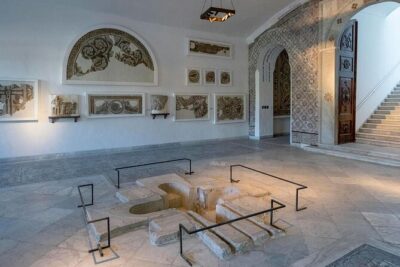
Private Day Tour Tunis Medina Carthage Sidi Bou Said Bardo Museum
Read our review →Private tour: Medina,Carthage ,Sidi Bou Said, Bardo Museum+lunch
Read our review →Browse the lists this tour appears in