
Reviewed · CARTHAGE TOURS
Group Guided Bike Tour of Carthage Archeological Site in Tunisia
History is easier to grasp on two wheels. This three-hour Carthage tour links Punic ports, Roman ruins, seaside views, and quiet archaeological sites without forcing you into a long walk between them. I like the easy cycling pace and the way the route connects several scattered sites in one morning. I also like that you can choose an e-bike if hills or heat are a concern.
The main drawback is that three hours can feel tight, especially if the group wants to pause for photos or visit Byrsa Hill. The route is mostly gentle, but one steep section can test casual cyclists. At $56.99 per person, the tour offers good value for a guide, bicycle, helmet, and included entry to the main sites, but you should know what you are paying for: a brisk overview rather than a full day among Carthage’s ruins.
- You cycle between five historic locations, avoiding as much traffic as possible and staying close to the sea.
- The Punic Ports and Tophet offer a look at Carthage before Roman rule.
- The Baths of Antoninus provide the tour’s biggest Roman-era stop, with ruins facing the water.
- Guides such as Jiji and Yasi are praised for clear explanations, warm personalities, and memorable stories.
- Most of the route is flat, but an e-bike is a smart choice if you are not comfortable with hills.
- Byrsa Hill may be skipped in high heat or if the group cannot agree on the extra stop.
In This Review
- Why a Bike Makes Sense at Carthage
- Starting at 9 Rue Hannibal
- Tophet: Carthage Before Rome
- Punic Ports and the Shape of Ancient Trade
- Baths of Antoninus: The Tour’s Biggest Roman Stop
- The Roman Theatre and a Short Final Visit
- Guides Who Make the Ruins Readable
- What the $56.99 Price Really Covers
- Timing, Heat, and the Three-Hour Limit
- Who Should Book This Carthage Ride?
- Should You Book It?
- FAQ
- How long does the Carthage bike tour last?
- Where does the tour start and end?
- Is hotel pickup included?
- Is an e-bike available?
- Is admission included at the archaeological sites?
- What happens if the tour is canceled?
Why a Bike Makes Sense at Carthage
Carthage is not one compact ruin. Its important remains are spread across a broad area of modern Carthage, with roads and neighborhoods between them. Walking from site to site would take more time and energy than many people expect.
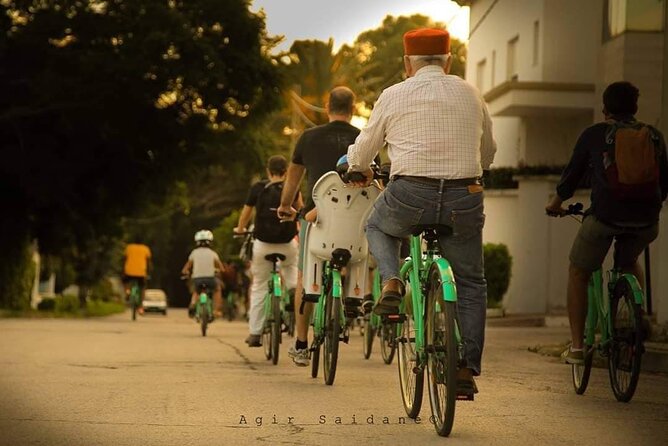
A bicycle solves that problem neatly. You get from one archaeological area to the next without spending the morning on taxis or long pavement walks. The ride also lets you see the setting of Carthage, with stretches close to the sea and a route planned to limit traffic as much as possible.
I like this format for a first visit because it gives you a map in your head. You begin with Punic Carthage, move through its port and religious remains, then see how Roman Carthage occupied and reshaped the same area. The guide ties those pieces together as you ride.
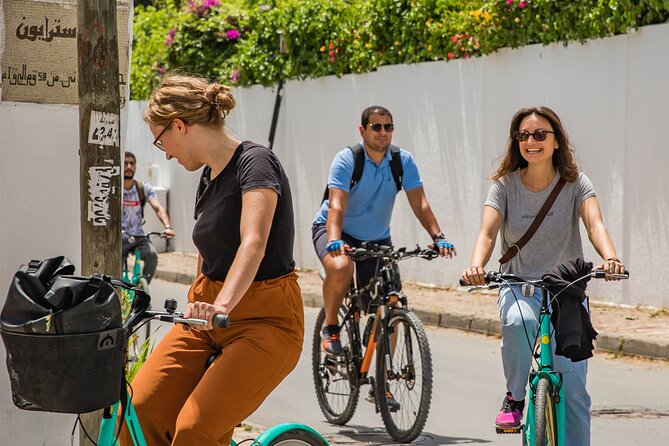
The tour uses green bicycles, with e-bikes available when booked. The cycling is not presented as a hard athletic outing. A moderate level of fitness is enough for most people, and the pace is described as relaxed. Still, you need to be comfortable riding a bicycle for several hours and managing a hill.
One practical warning: one section is noticeably steep. It may not bother a regular cyclist, but it can be unpleasant in warm weather or if you rarely ride. An e-bike costs more than a standard bike, but it may be money well spent if you want to focus on the ruins instead of your legs.
Starting at 9 Rue Hannibal
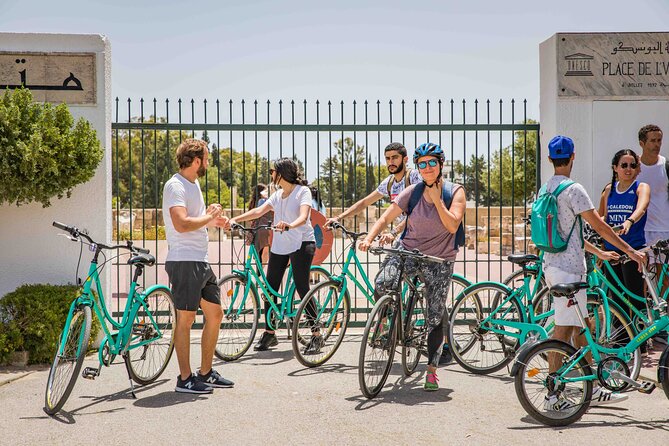
The tour begins at 9 Rue Hannibal, near the archaeological site of Carthage. It ends back at the same meeting point, so you do not need to arrange a separate pickup after the ride.
Hotel pickup and drop-off are not included. The meeting point is near public transportation, which helps if you are staying elsewhere in Tunis or arriving from another part of the city. You receive confirmation when you book, and a current valid passport is required on the day of the tour.
The maximum group size is 20 people. That is large enough to create a social ride but still manageable for a guide moving between several sites. The exact feel will depend on the number booked. If the minimum number is not met, the operator can cancel and offer another date, another experience, or a full refund.
The tour is often booked about 20 days ahead. That is useful to know if you have fixed plans in Tunis. I would reserve early if you need a particular morning or want an e-bike.
More Carthage Tours in Tunis
- Private tour: Medina,Carthage ,Sidi Bou Said, Bardo Museum+lunch
★ 5.0 · 230 reviews - Carthage, Bardo Museum, Sidi Bou Said and Medina Private Day Tour
★ 4.5 · 153 reviews - Guided Bike Tour of Carthage Archeological Site in Tunisia
★ 5.0 · 88 reviews
Tophet: Carthage Before Rome
The first stop is the Tophet, a Punic sanctuary visited for about 30 minutes. Admission is included.
This is an important opening stop because it introduces Carthage as a Phoenician and Punic city, not merely a Roman ruin. The guide explains the religious customs connected with the sanctuary and gives you a basis for understanding the society that existed before Rome destroyed Carthage and later built its own city on the site.
The Tophet is also a place where a guide adds real value. Archaeological remains can be hard to read without context, and the stones do not explain themselves. A good guide can turn a quiet collection of ruins into a discussion about Punic beliefs, ritual, and daily life.
Thirty minutes is enough for a clear introduction, but not enough for a slow, detailed study of every feature. If you are deeply interested in Punic culture, take mental notes and ask questions while you are there. This is an overview tour, so the guide has to keep the group moving.
Punic Ports and the Shape of Ancient Trade
The next 30-minute stop is the Punic Ports and Museum. Admission is included.
The port area helps you picture Carthage as a major Mediterranean power. Its importance was tied not only to armies and rulers but also to ships, trade, and control of sea routes. The guide explains why this harbor mattered and how it fit into the wider story of ancient Carthage.
This stop works well on a bicycle tour because you have just ridden through the modern setting and can now connect the present-day shoreline with the city’s old maritime role. The location gives the history a practical scale. You are not simply hearing that Carthage was a naval power, you are seeing the area associated with that power.
The scheduled visit is short. If the museum is a priority for you, ask the guide how much time the group will spend inside and around the port area. The tour has several stops to fit into one morning, so it is not designed for a long museum visit.
Baths of Antoninus: The Tour’s Biggest Roman Stop
The Baths of Antoninus receive about 40 minutes, making them the longest scheduled stop. Admission is included.
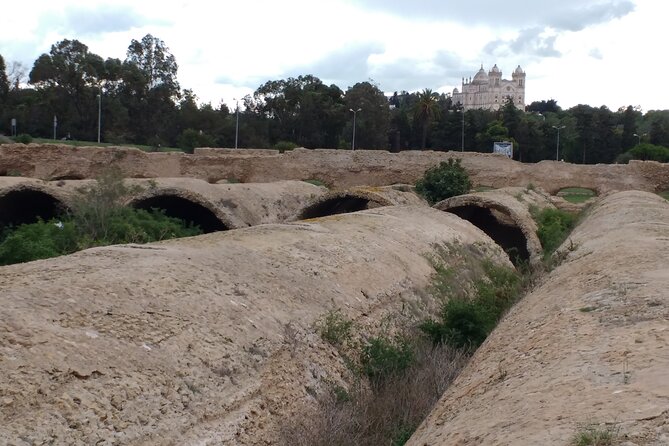
This Roman bath complex includes extensive ruins and faces the sea. It was among the largest bath complexes in the Roman Empire, and the scale makes it easier to understand Roman public life than a few isolated walls would.
I consider this the most visually substantial stop on the route. The remains show how much space and organization went into Roman bathing culture, which was about far more than washing. Baths were social and civic places, and the guide helps you read the ruins as part of a working city.
The seaside position adds to the experience, but it can also mean strong sun. Bring water, use sun protection, and wear clothing suited to a warm ride. The tour is not a strenuous mountain cycle, yet heat can make an easy route feel harder.
Forty minutes gives you time to walk around, listen, and take photos without rushing too badly. It is still not enough for every corner of the complex, especially if the guide is answering many questions. Stay near the group so you do not lose time finding the bikes again.
Further south, and a completely different kind of day out:
- Private Tour to Kairouan, El Jem & Monastir from Tunis_hammamet
★ 5.0 · 301 reviews - Private Excursion to Testour, Dougga and Bulla Regia from Tunis.
★ 5.0 · 100 reviews - Guided tour in the UNESCO world heritage Medina of Tunis
★ 5.0 · 68 reviews - Archaelogical Site Of Carthage + Picturesque Village Of Sidi Bou Said
★ 5.0 · 56 reviews
The Roman Theatre and a Short Final Visit
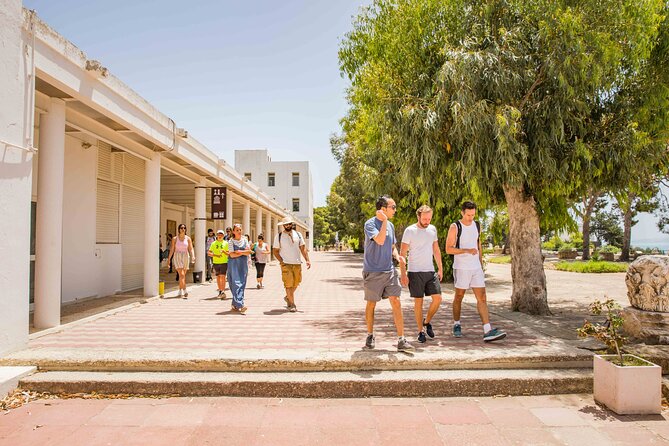
The Roman Theatre of Carthage is scheduled for about 20 minutes. Admission is included.
Compared with the Baths of Antoninus, this is a shorter stop, but it adds another piece to the Roman city. You get a sense of how public entertainment and civic life fitted into Carthage under Roman rule.
The theatre is best understood as part of the larger sequence. The tour does not ask you to view each site in isolation. Instead, it moves from Punic religion and seafaring to Roman engineering and public life. That progression is one of the tour’s strongest features.
The final possible stop is Byrsa Hill, where you may see Punic architecture and learn how the Romans changed the hill. The group must agree, and the stop depends on time and weather. In very high temperatures, it can be canceled.
At the hill, you can also see Saint Louis Cathedral from the outside. Entry into the cathedral is not part of the tour. The Carthage Museum on the hill is closed, so you should not book this ride expecting a museum visit there.
This flexibility is practical, but it also explains why some people may not see every planned location during the three-hour period. One person needed extra admission tickets to continue independently after the ride. If Byrsa Hill matters to you, tell the guide early and keep an eye on the schedule.
Guides Who Make the Ruins Readable
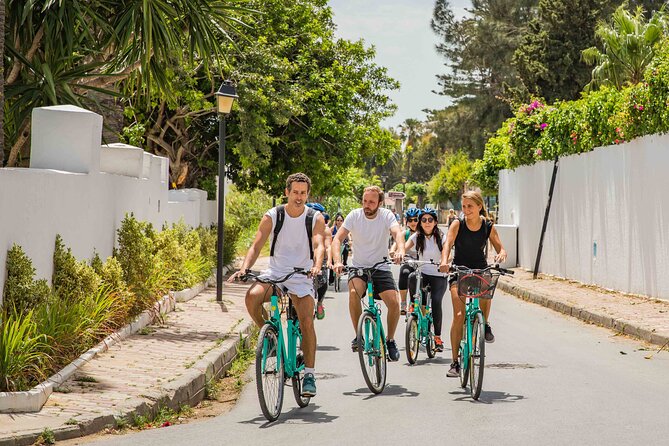
The guide is one of the main reasons to choose this tour. Jiji is praised for a friendly manner and clear explanations across the ancient sites. Yasi is described as an excellent storyteller with a strong grasp of Carthaginian history.
That difference matters at Carthage. Some areas have limited information on site, so you can easily look at a wall, foundation, or harbor basin without knowing what it means. A guide supplies the missing frame and helps you connect Punic and Roman periods.
The strongest guiding style here seems to combine facts with stories. That is useful when the subject includes rival empires, changing religions, and a city rebuilt after destruction. You will get more from the ruins if you ask questions rather than simply following behind the bikes.
A group tour naturally limits how long you can stop. If you prefer to study inscriptions or take extended notes, a private visit may suit you better. The group format is better for people who want a clear, engaging introduction without organizing all the transport and research themselves.
What the $56.99 Price Really Covers
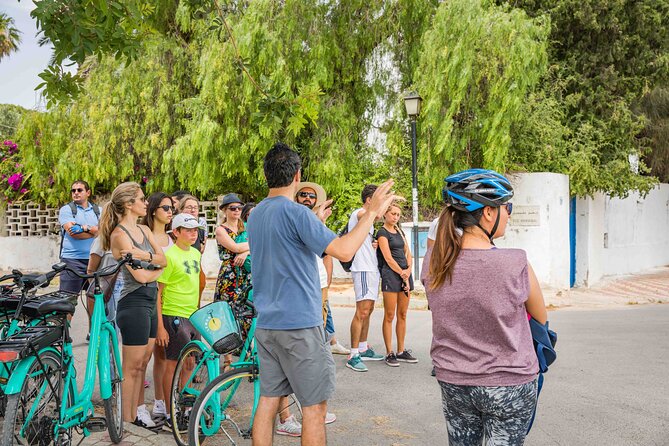
The $56.99 price includes the bicycle, helmet, professional guide, taxes, fees, and handling charges. Entry is included at the Tophet, Punic Ports and Museum, Baths of Antoninus, and Roman Theatre. The Saint Louis Cathedral and Byrsa Hill portion has no separate admission listed, and the cathedral is viewed from outside.
That is a fair package for a three-hour guided visit, especially because transportation between the sites is built into the experience. You are paying for access to several archaeological areas plus the guide’s interpretation, not simply for bicycle rental.
The value is strongest if you want to see many parts of Carthage in one morning. It is less compelling if you plan to spend hours at one site or already have private transport and strong background knowledge.
The bicycles may show some wear. One bike was described as needing a wash and more air in the tires. That is a small concern, but it is worth checking the tires, brakes, and seat before setting off. If something feels wrong, mention it at the start rather than waiting until the ride is underway.
Timing, Heat, and the Three-Hour Limit
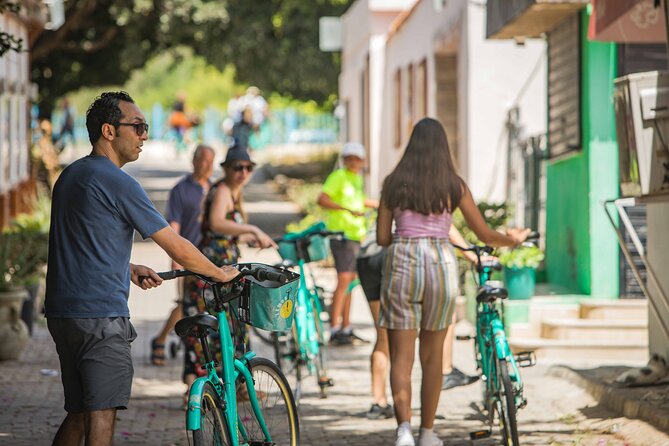
The total duration is about three hours. That makes this an easy fit for a morning in Tunis, but the clock shapes the experience.
The scheduled time adds up quickly: 30 minutes at the Tophet, 30 at the ports, 40 at the baths, 20 at the theatre, and 15 at Byrsa Hill if that final stop goes ahead. The ride between sites, bike preparation, questions, and photo breaks all have to fit around those visits.
I would choose this tour when you want a broad first look. I would not choose it as your only Carthage experience if you are a serious archaeology enthusiast who wants long, quiet periods at each ruin.
Weather is another factor. The tour requires good weather, and the Byrsa Hill stop may be dropped during very high temperatures. The route includes open archaeological areas, so you should expect sun exposure. A morning departure is helpful, but bring water regardless.
The cycling itself is generally easy paced, with most of the route fairly flat. The one steep section is the main physical issue. An e-bike is not just for people who dislike exercise. It can make the ride more comfortable for anyone dealing with heat, hills, or limited cycling practice.
Who Should Book This Carthage Ride?
I would recommend it to first-time visitors who want a practical introduction to Carthage without hiring a car or arranging several separate site visits. It suits couples, friends, and active families with older children who can manage a moderate bike ride.
It is also a good match for anyone who enjoys history but does not want a formal lecture. The route keeps you moving, and the guide brings the Punic and Roman periods together in a way that makes the sites easier to remember.
You should think twice if you dislike bicycles, struggle with hills, or need a fully unhurried schedule. The e-bike helps with effort, but it does not change the three-hour time limit. You should also reconsider if Byrsa Hill or the Carthage Museum is your main goal, since the museum is closed and the hill stop is conditional.
The tour has a 4.9 rating from 57 reviews, with 98 percent recommending it. Those numbers fit the main strengths: strong guides, an enjoyable pace, and a smart way to connect widely separated ruins. They should not hide the small limitations, including time pressure, possible heat, and basic bicycle upkeep.
Free cancellation is available if you cancel at least 24 hours before the start time. Changes made inside that period are not accepted, and no refund is provided for late cancellation. If bad weather or insufficient bookings cancel the experience, you can choose another date or receive a full refund.
Should You Book It?
Book this tour if you want a lively three-hour introduction to Carthage, with a guide handling the history while you move between Punic and Roman sites. The combination of cycling, sea views, and several included archaeological entries gives you more range than a walking tour.
Choose the e-bike if you are not a regular cyclist or expect hot weather. Arrive ready to check the bike, bring water, and accept that Byrsa Hill may not happen. For a first visit, the $56.99 price is sensible. For a second, highly detailed study of Carthage, you will probably want extra time on your own afterward.
FAQ
How long does the Carthage bike tour last?
The tour lasts approximately three hours, including the cycling and visits to the archaeological sites.
Where does the tour start and end?
It starts at 9 Rue Hannibal, Site archéologique de Carthage 2025, Tunisia, and ends back at the same meeting point.
Is hotel pickup included?
No. Hotel pickup and drop-off are not included, but the meeting point is near public transportation.
Is an e-bike available?
Yes. You can book an e-bike if you prefer assistance, particularly for the hill on the route or to avoid tiring yourself in hot weather.
Is admission included at the archaeological sites?
Admission is included for the Tophet, Punic Ports and Museum, Baths of Antoninus, and Roman Theatre. Saint Louis Cathedral is viewed from outside, and the Carthage Museum on Byrsa Hill is closed.
What happens if the tour is canceled?
If poor weather or an insufficient number of bookings causes cancellation, you will be offered another date or experience, or you can receive a full refund.
More Cycling Tours in Tunis
- Self guided bike tour of Carthage archeological site
★ 4.5 · 10 reviews - Djerba Island: 1.5-Hour Quad Biking Adventure
★ 4.5 · 17 reviews - Quad Biking (ATV) in Douz Tunisia Sahara Desert
★ 5.0 · 7 reviews
Newest from Tunis
- Private Arrival Transfer: Tunis Airport to Tunis Hotel★ 4.5 · 5 reviews
- Cap Bon Guided Day Tour from Tunis★ 5.0 · 2 reviews
- Tunis Group Tour: Carthage, Sidi Bou Said, Bardo museum & Medina★ 5.0 · 5 reviews
- Walking City Tour★ 4.5 · 7 reviews
- Dougga Guided Day Tour from Tunis★ 5.0 · 5 reviews
- Tunisia 7-Day tour★ 5.0 · 6 reviews
- Unveiling the Beauty of Sidi Bou Said and Carthage Private Tour★ 5.0 · 2 reviews
- Bardo Museum , Oudhna and the roman aqueduct★ 5.0 · 4 reviews
Carthage Tours, compared.
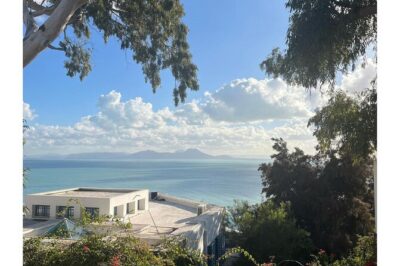
VIP Tour: Tunis Medina/Bardo, Sidi Bou Said, Carthage |PICKUP ALL
Read our review →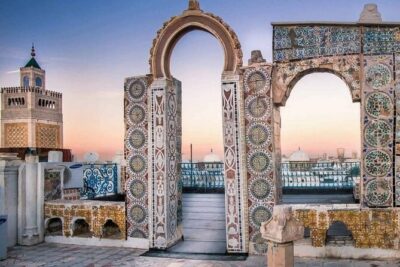
Private tour: Medina,Carthage ,Sidi Bou Said, Bardo Museum+lunch
Read our review →Private tour: Medina,Carthage ,Sidi Bou Said, Bardo Museum+lunch
Read our review →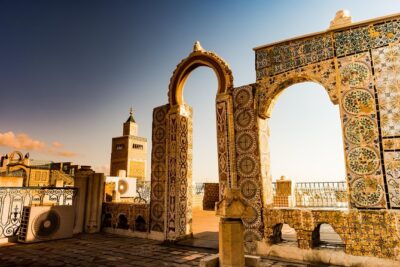
Carthage, Bardo Museum, Sidi Bou Said and Medina Private Day Tour
Read our review →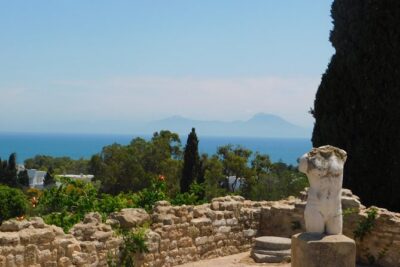
Guided Bike Tour of Carthage Archeological Site in Tunisia
Read our review →
1 day excursion Tunis Sidi Bousaid Carthage departure from Sousse
Read our review →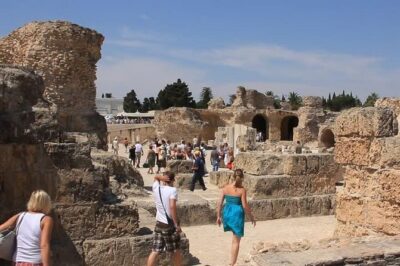
Archaelogical Site Of Carthage + Picturesque Village Of Sidi Bou Said
Read our review →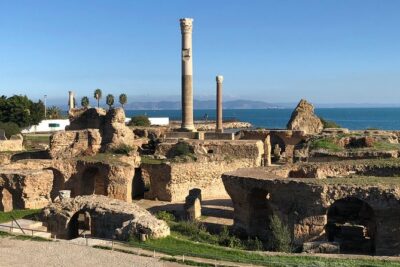
Browse the lists this tour appears in