
Reviewed · CARTHAGE TOURS
Carthage Discovery Half-Day Tour with Licensed Guide
Carthage rewards context. This four-hour private tour makes the scattered ruins easier to understand, with a licensed guide explaining how a Phoenician port grew into a major Mediterranean power. I especially like the private vehicle and guide, which keep the outing comfortable and flexible, and the chance to see the ports, Tophet, museum, baths, theaters, and villas in one morning.
The main consideration is the pace. Four hours covers a lot of ground, but Carthage is spread across several archaeological areas, so you will spend time walking outdoors. Hot weather, uneven surfaces, and the lack of lunch in the price are worth planning around.
In This Review
- Key points before you book
- Why a private half-day works well at Carthage
- Birsa Hill and the archaeological site
- The Tophet and Carthage’s hardest question
- Carthage Museum on Byrsa Hill
- The Punic Ports and Carthage’s trading power
- A guide who shapes the experience
- How the timing feels in real use
- Who will get the most from this Carthage tour
- Is $94.90 per person a fair price?
- Should you book the Carthage Discovery Tour?
- FAQ
- How long does the Carthage Discovery Half-Day Tour last?
- Is hotel pickup included?
- Is this a private tour?
- What sites are included?
- Are entrance fees included?
- Is lunch included?
- What is the cancellation policy?
Key points before you book
- A private Carthage visit: Only your group takes part, so the guide can adjust explanations and timing to your interests.
- Four major stops: You visit the archaeological site, Tophet, Carthage Museum, and Punic Ports.
- Hotel transfers included: Pickup and drop-off are offered from hotels in Tunis or Hammamet.
- History with a clear storyline: The tour follows Carthage from its Phoenician and Punic beginnings through Roman destruction and later occupation.
- A strong short-trip option: The tour packs several important sites into half a day, useful if your time in Tunisia is limited.
- Good guide feedback: Nouraddean, also referred to as Nour, is praised for his broad knowledge, warmth, cultural insight, and ability to adjust the tour to a group’s schedule.
Why a private half-day works well at Carthage
Carthage is not one compact ruin with a single entrance. Its remains are spread around the modern town and coastline. That layout can make an independent visit feel disconnected: one site shows a port, another shows a bath complex, and another sits on a hill with little explanation tying it all together.
A private guide solves much of that problem. You are not simply walking past broken walls. You can ask how the naval harbor worked, why the city mattered, or how Roman Carthage differed from the earlier Punic city. The guide can also give more or less detail depending on your interest.
The private format matters most for families, couples, and small groups with different energy levels. If one person wants more time at the museum and another prefers open-air ruins, you have a better chance of reaching a compromise than on a large shared coach tour.
You also get private transport in an air-conditioned car. The drive from a Tunis hotel to Carthage takes about 25 minutes, and the route offers glimpses of some of Tunisia’s more exclusive villas. That transfer is not the main attraction, but it saves you from arranging transport between widely separated sites.
The tour price is $94.90 per person. That is not the cheapest way to see Carthage, especially for a solo visitor, but the price includes hotel transport from Tunis or Hammamet, a licensed guide, a private vehicle, and entrance fees. For two or more people, the value improves because you are paying for a dedicated service rather than a basic admission ticket.
More Carthage Tours in Tunis
- Private tour: Medina,Carthage ,Sidi Bou Said, Bardo Museum+lunch
★ 5.0 · 230 reviews - Carthage, Bardo Museum, Sidi Bou Said and Medina Private Day Tour
★ 4.5 · 153 reviews - Guided Bike Tour of Carthage Archeological Site in Tunisia
★ 5.0 · 88 reviews
Birsa Hill and the archaeological site
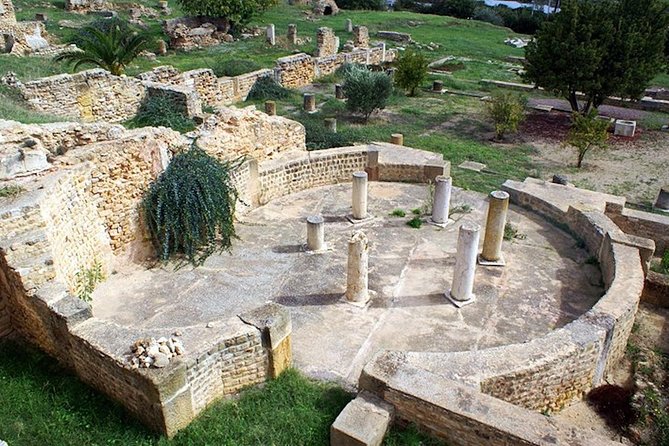
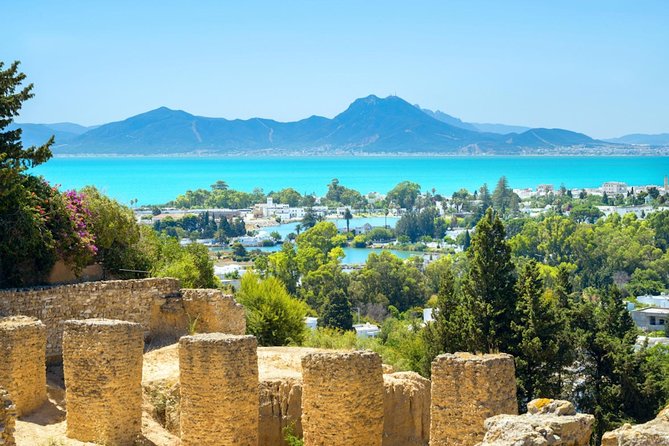
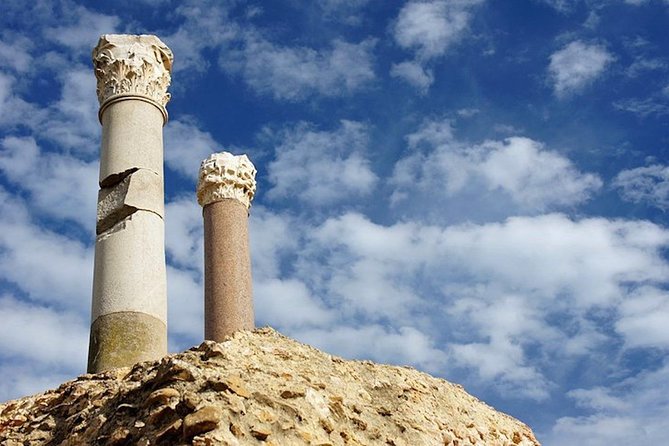
Your main visit begins at the Site Archéologique de Carthage, where the guide helps you read the remains across the site. The setting is one of the tour’s pleasures: ruins sit near the coast, and several points offer broad views toward the surrounding shoreline.
Carthage was destroyed by Rome in 146 BC, but the ground still reveals an advanced urban center. Excavations have brought to light five-story homes, sewage systems, and city walls that once stretched about 21 miles, or 34 kilometers, around Byrsa Hill. Those details help you picture Carthage as a functioning city rather than a collection of isolated stones.
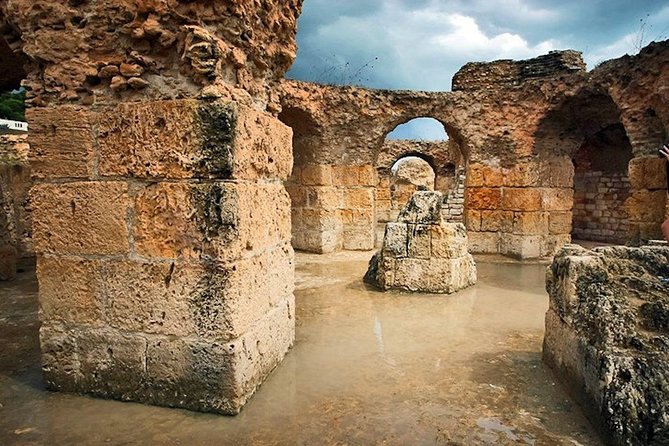
The archaeological areas include remains connected with baths, theaters, villas, and other public and domestic buildings. The exact order can vary, but your guide provides the larger story as you move between them. This is where the tour’s historical explanation has real value. Without it, a bath complex may look like foundations. With context, you can start to see how public life, housing, water management, and entertainment fit together.
I would give this part your full attention, even though it is only one portion of the morning. Carthage is often reduced to the story of Hannibal and the Punic Wars, yet the ruins show a much broader city with engineering, trade, religion, and Roman rebuilding layered over time.
The drawback is that much of the experience is outdoors. The tour takes place in a warm climate, and one prior visitor specifically noted the heat and the amount of walking. Wear practical shoes, bring water, and use sun protection. The private format may help with pacing, but it cannot remove the distances between the sites.
The Tophet and Carthage’s hardest question
The Tophet is one of the most thought-provoking stops. It is an ancient cemetery area linked to a long-running debate over ritual sacrifice involving children and animals. The subject is difficult, and a good guide is especially useful here because the site needs careful explanation rather than a quick label.
The Tophet also shows why Carthage cannot be understood through military history alone. Religion and burial practices were part of daily life, and the archaeological evidence has raised hard questions about what happened here. Your guide can explain the debate while leaving room for uncertainty, since the meaning of the site remains contested.
Plan on about an hour here. That is a substantial share of a four-hour tour, which tells you how important this stop is to the overall experience. If you prefer only grand monuments, the Tophet may feel less immediately impressive than the baths or ports. If you want to understand the society behind the ruins, it is one of the more valuable stops.
This is also a place where your group’s questions can shape the visit. With a private guide, you can ask for more historical background or move along when the subject becomes too heavy. The personal format gives the conversation a human scale.
Carthage Museum on Byrsa Hill
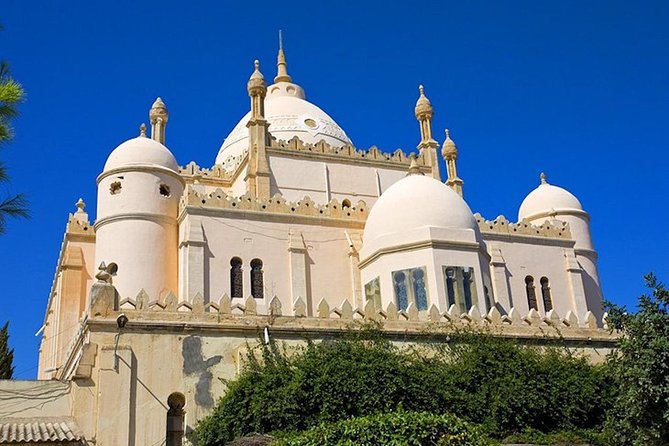
The Carthage Museum occupies the ground floor of a former Catholic religious school near the Saint-Louis Basilica. The basilica was built at the end of the 19th century on the site of Carthage’s ancient acropolis, so the setting itself reflects the many eras layered onto Byrsa Hill.
Inside, the museum holds the largest collection of objects from Carthage. Its displays cover the Phoenician-Punic, Roman-African, and Arab-Muslim periods. That range is important because Carthage did not simply disappear after Rome destroyed the city. The site continued to be used and reshaped across later centuries.
You have about 30 minutes here. That is enough for a focused look, but not enough to study every object. I would use this stop to reinforce what you have seen outside. Sculptural fragments, everyday objects, and archaeological finds can make the vanished city feel more immediate than walls alone.
The museum provides a break from the sun, which is useful in a tightly timed morning. Still, the short visit means you may need to accept a quick overview rather than a detailed museum study. If you are especially interested in archaeology, tell the guide early so the available time can be used well.
Further south, and a completely different kind of day out:
- Private Tour to Kairouan, El Jem & Monastir from Tunis_hammamet
★ 5.0 · 301 reviews - Private Excursion to Testour, Dougga and Bulla Regia from Tunis.
★ 5.0 · 100 reviews - Guided tour in the UNESCO world heritage Medina of Tunis
★ 5.0 · 68 reviews - Group Guided Bike Tour of Carthage Archeological Site in Tunisia
★ 5.0 · 57 reviews
The Punic Ports and Carthage’s trading power
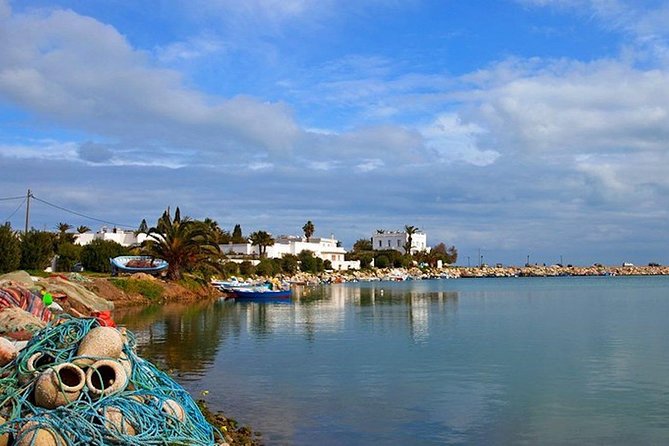
The Punic Ports are among the most revealing stops because they explain why Carthage became wealthy and powerful. Today, only the shape of the legendary harbor system remains, but the plan is still understandable.
A narrow channel linked a southern oblong commercial harbor with a northern circular naval harbor. The arrangement kept the military port hidden from outside view while allowing the Carthaginian navy to see toward the sea. The naval base reportedly held dry docks for 220 vessels, while the commercial port covered about seven hectares and included quays and warehouses.
Those numbers give scale to the city’s maritime reach. This was not merely a coastal settlement. It was an organized center for ships, cargo, storage, and military power. Once your guide explains the design, the low remains become easier to read.
The port visit takes about 30 minutes and has no separate admission fee. It is a quick stop, but its position in the itinerary helps connect the other sites. The Tophet shows religious practice, Byrsa Hill shows urban life, and the ports show the economic system that supported Carthage.
Do not expect a restored harbor or a fully reconstructed fleet. You are seeing the outline and archaeological evidence, not a theatrical recreation. The value comes from the explanation and the setting, not from large intact buildings.
A guide who shapes the experience
Guide quality is central to this tour because the sites are spread out and much of the pleasure comes from interpretation. Nouraddean, often called Nour, receives particularly warm praise for making Tunisia’s past understandable and for adding insight into Tunisian culture.
That combination matters. A guide who only recites dates can make Carthage feel flat. A guide who explains how the ancient city fits into Tunisia’s wider story gives you more to remember after the ruins are gone. Nour is also described as adapting the visit to individual schedules and requests, which is a useful advantage on a private tour.
The driver is part of the experience as well. The service includes a private vehicle, and the driver is described as courteous and attentive. Since the tour involves several stops, having one person handle the road while the guide focuses on the history makes the half-day easier.
One practical point: confirm the pickup details at booking and allow room for outdoor walking. The tour can adjust to some changes, as a flight delay was accommodated in one case, but changes made within 24 hours are not accepted under the cancellation terms.
How the timing feels in real use
The advertised duration is about four hours. The listed stop times add up to four hours: two hours at the main archaeological site, one hour at Tophet, 30 minutes at the museum, and 30 minutes at the ports. The drive from a Tunis hotel to Carthage takes roughly 25 minutes, so pickup and return are part of the practical schedule.
That makes this a focused morning or afternoon rather than a slow archaeological study. You will see a wide range of locations, but you should not expect long stretches of free exploration at each one.
I like this balance for a first visit. Carthage is broad, and seeing several areas helps you understand the city as a whole. If you already have a strong interest in Punic archaeology, you may want a longer custom visit. For most people with limited time, the tour offers a useful first look without requiring a full day.
The private format also reduces the usual group-tour friction. You are not waiting for a large busload at every gate, and your questions can guide the discussion. Still, the tour follows a compact schedule, so ask about priorities at the start.
Who will get the most from this Carthage tour
I would recommend this experience to first-time visitors to Tunisia, couples, families with older children, and anyone staying in Tunis or Hammamet who wants a simple way to reach Carthage. It is also useful if you have a flight delay or a tight schedule and need a tour company willing to work with a changed plan, though last-minute changes are not guaranteed.
History fans will appreciate the sequence from Phoenician-Punic foundations to Roman rule and later periods. People with only a passing interest in archaeology may still enjoy the coastline, museum, ports, and large ruins, especially because the guide supplies the missing connections.
Children must be accompanied by an adult. Most people can take part, and service animals are allowed. Nearness to public transportation is noted, but the included private pickup is the more convenient choice if you are based in Tunis or Hammamet.
You will need to arrange your own lunch. Since the tour lasts about four hours, that is easy to handle before or after the visit, but it is still a cost and planning point. Hotels in other cities are not included in the pickup and drop-off service.
Is $94.90 per person a fair price?
The price makes the most sense when you value convenience and personal explanation. Your fee includes transport, a licensed guide, and admission fees, so you do not have to assemble separate taxis, tickets, and guiding arrangements. The private nature is the key difference from a basic self-guided visit.
For a solo visitor, $94.90 is a significant spend. You could potentially pay less by using public transport and visiting independently, but you would give up the private vehicle and the guide’s ability to link the scattered remains.
For a couple or small group, the price is easier to justify, especially if your hotel is in Tunis or Hammamet. Group discounts are offered, though the exact reduction is not specified, so check the total before booking.
The full-refund cancellation deadline is 24 hours before the start time. If poor weather cancels the experience, you are offered another date or a full refund. That policy is useful because the tour relies heavily on outdoor sites.
Should you book the Carthage Discovery Tour?
Book it if you want to see the major Carthage areas in one efficient outing and prefer a guide who can explain the difficult parts of the past in plain language. Nouraddean’s ability to adjust the tour, the private transport, and the strong praise for both guide and driver make this a promising choice for a first visit.
Think twice if you want hours inside a museum, a slow archaeological study, or a tour with lunch included. You will be walking in the heat, moving between scattered ruins, and following a full four-hour schedule.
For most people based in Tunis or Hammamet, I think the tour offers good value because it turns a complicated site into a connected story. Bring water, wear comfortable shoes, and tell the guide what interests you most. That is how you get the best use from a short visit to one of Tunisia’s most important ancient sites.
FAQ
How long does the Carthage Discovery Half-Day Tour last?
The tour lasts approximately four hours. The planned stops include two hours at the main archaeological site, one hour at Tophet, 30 minutes at Carthage Museum, and 30 minutes at the Punic Ports.
Is hotel pickup included?
Yes. Pickup and drop-off are included from hotels in Tunis or Hammamet. Hotels in other cities are not included.
Is this a private tour?
Yes. Only your group participates, with a licensed guide and transport by private vehicle.
What sites are included?
The tour includes the Site Archéologique de Carthage, Tophet de Carthage, Carthage Museum, and Punic Ports.
Are entrance fees included?
Yes. Entrance fees are included in the tour price. The Punic Ports stop is listed with free admission.
Is lunch included?
No. Lunch is not included.
What is the cancellation policy?
You can cancel at least 24 hours before the experience for a full refund. Cancellations or changes made less than 24 hours before the start time are not accepted for a refund. If poor weather causes the tour to be canceled, you are offered a different date or a full refund.
Newest from Tunis
- Private Arrival Transfer: Tunis Airport to Tunis Hotel★ 4.5 · 5 reviews
- Cap Bon Guided Day Tour from Tunis★ 5.0 · 2 reviews
- Tunis Group Tour: Carthage, Sidi Bou Said, Bardo museum & Medina★ 5.0 · 5 reviews
- Walking City Tour★ 4.5 · 7 reviews
- Dougga Guided Day Tour from Tunis★ 5.0 · 5 reviews
- Tunisia 7-Day tour★ 5.0 · 6 reviews
- Unveiling the Beauty of Sidi Bou Said and Carthage Private Tour★ 5.0 · 2 reviews
- Bardo Museum , Oudhna and the roman aqueduct★ 5.0 · 4 reviews
Carthage Tours, compared.
VIP Tour: Tunis Medina/Bardo, Sidi Bou Said, Carthage |PICKUP ALL
Read our review →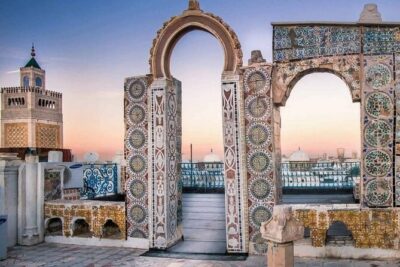
Private tour: Medina,Carthage ,Sidi Bou Said, Bardo Museum+lunch
Read our review →Private tour: Medina,Carthage ,Sidi Bou Said, Bardo Museum+lunch
Read our review →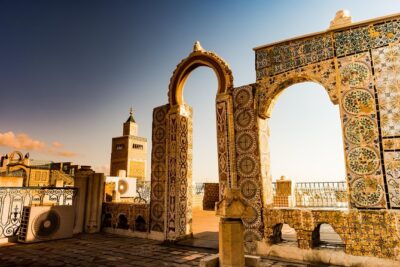
Carthage, Bardo Museum, Sidi Bou Said and Medina Private Day Tour
Read our review →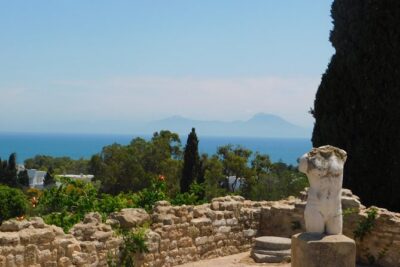
Guided Bike Tour of Carthage Archeological Site in Tunisia
Read our review →
1 day excursion Tunis Sidi Bousaid Carthage departure from Sousse
Read our review →
Group Guided Bike Tour of Carthage Archeological Site in Tunisia
Read our review →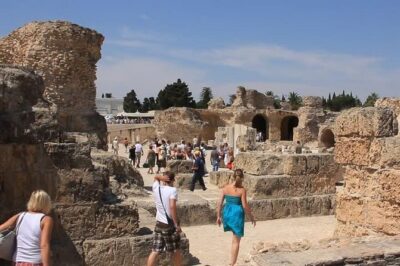
Archaelogical Site Of Carthage + Picturesque Village Of Sidi Bou Said
Read our review →Browse the lists this tour appears in