
Reviewed · PRIVATE TOURS IN TUNIS
Explore Tunisia in Depth:The Private Grand Tour in 8 Days
Tunisia rewards the long way around. This private eight-day tour links Tunis, Roman ruins, Berber villages, desert oases, and the Sahara in one carefully packed route. You begin in the north, travel south through Kairouan and Tozeur, sleep beneath desert stars, then return through Matmata, El Jem, Carthage, and Sidi Bou Said.
I like the strong mix of UNESCO sites and desert scenery, plus the comfort of private transportation and included meals. You also get real variety: ancient theaters, Islamic monuments, an underground Berber home, a salt lake, a Star Wars filming site, and a desert camp. The main caution is pace. Several days run for about 10 hours, so this suits you if you want to see a great deal rather than linger in one town.
In This Review
- Key things to know before booking
- Why this eight-day route works
- Day 1: A simple arrival in Tunis
- Day 2: Roman Tunisia at Thuburbo Majus and Dougga
- Day 3: Kairouan’s Islamic monuments, then Tozeur
- Day 4: Mountain oases and the Ong Jemel film site
- Day 5: Chott el Jerid, Douz, and a night under the stars
- Day 6: Matmata, El Jem, and Hammamet
- Day 7: Bardo, Carthage, and Sidi Bou Said
- Meals, hotels, and what the price covers
- The guide can shape the whole experience
- Who should book this tour?
- Should you book the Tunisia Grand Tour?
- FAQ
- How long is the Tunisia Grand Tour?
- Is this a private tour?
- Are meals included?
- Are international flights included?
- Does the tour include a desert overnight stay?
- Can I cancel for a full refund?
Key things to know before booking
- The route crosses Tunisia from north to south, with Tunis, Dougga, Kairouan, Tozeur, Douz, Matmata, El Jem, Carthage, and Sidi Bou Said all included.
- The desert section is the tour’s big adventure, combining Chott el Jerid, Douz, camel riding, quad biking, and a night at a desert camp.
- History comes in many forms, from Thuburbo Majus and Dougga to the Great Mosque of Kairouan, El Jem Amphitheatre, Carthage, and the Bardo Museum.
- Private transport keeps the schedule flexible, and only your group takes part in the activity.
- Full board adds useful value, with six lunches, six dinners, and five breakfasts included. Drinks and international flights cost extra.
- Guide quality matters, and Mourad received especially warm praise for his guidance and the emotional connection he created during the trip.
Why this eight-day route works
Tunisia is compact enough to cross by road, yet its regions feel remarkably different. The north brings Roman ruins and Mediterranean towns. Central Tunisia offers Islamic architecture and historic cities. The southwest shifts to salt flats, palm oases, dry mountain country, and the Sahara.
This tour makes that contrast the main attraction. You do not spend eight days circling one resort area. Instead, you move through the country with a private driver and guide, staying in Tunis, Tozeur, the desert, and Hammamet.
That format has clear advantages. You avoid arranging several separate transfers, finding a guide at every archaeological site, or choosing between major sights when time is short. You can also ask questions as you go, an especially useful feature at places such as Dougga, Kairouan, and Carthage.
The tradeoff is a busy schedule. You should expect long road days, early starts or late finishes, and plenty of time in the vehicle. The published schedule lists many stops as five or 10 hours, but those blocks include transportation, meals, sightseeing, and transfers. This is a country-spanning overview, not a slow cultural stay.
More Private Tours in Tunis
- Private Tour to Kairouan, El Jem & Monastir from Tunis_hammamet
★ 5.0 · 301 reviews - Private tour: Medina,Carthage ,Sidi Bou Said, Bardo Museum+lunch
★ 5.0 · 230 reviews - Carthage, Bardo Museum, Sidi Bou Said and Medina Private Day Tour
★ 4.5 · 153 reviews
Day 1: A simple arrival in Tunis
Your first day is deliberately easy. You are met at the airport and transferred to a four-star hotel in Tunis, listed as Hotel Lookout Fourati or a similar property.
There is no sightseeing listed for arrival day, which is sensible after an international flight. Use the evening to rest, organize your bags, and prepare for the long days ahead. Since airport pickup is offered and private transportation is included, you do not need to solve your first Tunis transfer on your own.
The arrival schedule shows a midnight start time, which appears to be a booking-system convention rather than a sightseeing departure. Confirm your actual airport meeting time before you fly.
Day 2: Roman Tunisia at Thuburbo Majus and Dougga
The first full sightseeing day brings two archaeological sites and the Andalusian town of Testour. Thuburbo Majus is an early introduction to Roman Tunisia, while Dougga is the major historical prize of the day.
Dougga is a UNESCO World Heritage Site, and its ruins reward time and attention. You can expect broad ancient remains rather than one single monument, with the setting adding to the sense of scale. This is the kind of place where a guide earns their keep by explaining what you are looking at and helping you connect scattered stones, temples, streets, and public buildings.
Testour offers a different chapter. The town is associated with Andalusian culture, giving the day a human, lived-in counterpoint to the Roman ruins. The schedule also includes lunch around Dougga, followed by a return to Tunis for the night.
The weakness here is not the sights but the amount of ground covered. You visit Thuburbo Majus, Testour, and Dougga in one day, then return to the capital. If you prefer long museum visits or slow photography, this will feel brisk.
Day 3: Kairouan’s Islamic monuments, then Tozeur
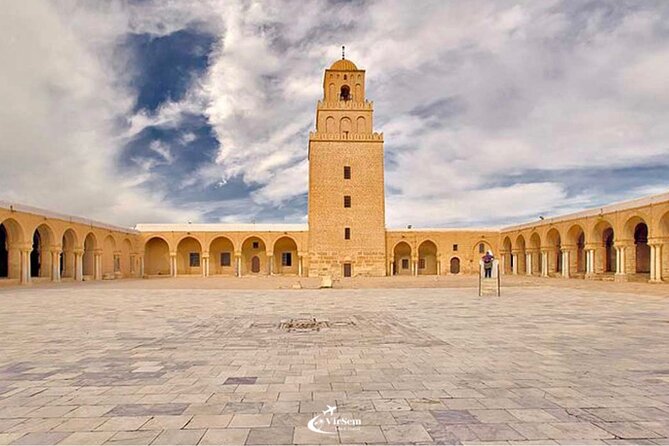
Kairouan is one of Tunisia’s most important historic cities and another UNESCO-listed stop. The program includes the Aghlabid Basins, the Sidi Saheb Mausoleum, and the Great Mosque.
The Aghlabid Basins give you a look at the water systems that supported Kairouan. The Sidi Saheb Mausoleum brings intricate Islamic decoration and a more intimate atmosphere. The Great Mosque is the day’s essential sight, with its monumental scale and importance in North African religious history.
You have about five hours for Kairouan before traveling onward to Tozeur after lunch. That is enough for the named highlights, though not for an unhurried exploration of every corner of the city.
Tozeur changes the visual mood completely. Its medina is known for distinctive brickwork, and the tour gives you time to discover it after arriving. The city is a base for the following day’s mountain-oasis excursion, so this overnight stop helps break up the southbound journey.
Two or three more Tunis trips worth a look
- Private Excursion to Testour, Dougga and Bulla Regia from Tunis.
★ 5.0 · 100 reviews - Guided Bike Tour of Carthage Archeological Site in Tunisia
★ 5.0 · 88 reviews - Guided tour in the UNESCO world heritage Medina of Tunis
★ 5.0 · 68 reviews - Group Guided Bike Tour of Carthage Archeological Site in Tunisia
★ 5.0 · 57 reviews
Day 4: Mountain oases and the Ong Jemel film site
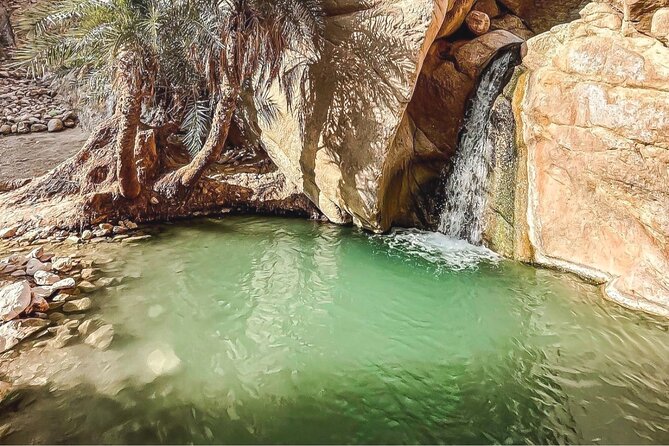
This is one of the tour’s most varied days. A 4×4 outing takes you to the mountain oases of Chebika and Tamerza, followed by Ong Jemel, a famous Star Wars filming location.
Chebika and Tamerza offer a sharp contrast to the flat desert country. Water, rock, and palms create pockets of life in an otherwise dry setting. You will want practical shoes and protection from the sun, since this is an active sightseeing day with changing terrain.
Ong Jemel adds a dose of film-location fun. You do not need to be a serious Star Wars fan to enjoy the unusual setting, but the stop will have extra appeal if you recognize the scenery from the movies. The 4×4 vehicle is important here because it allows access to the rougher desert route.
After lunch, you visit Nefta and a brick factory. There is also the possibility of a carriage ride in Tozeur’s oasis. Note the wording: the carriage ride is an option, not a guaranteed part of the package, so ask how it is arranged and whether it costs extra.
You spend another night in Tozeur. This is a full 10-hour day, and the combination of road travel, rougher tracks, outdoor stops, and heat can be tiring. Still, the day offers some of the most memorable scenery on the route.
Day 5: Chott el Jerid, Douz, and a night under the stars
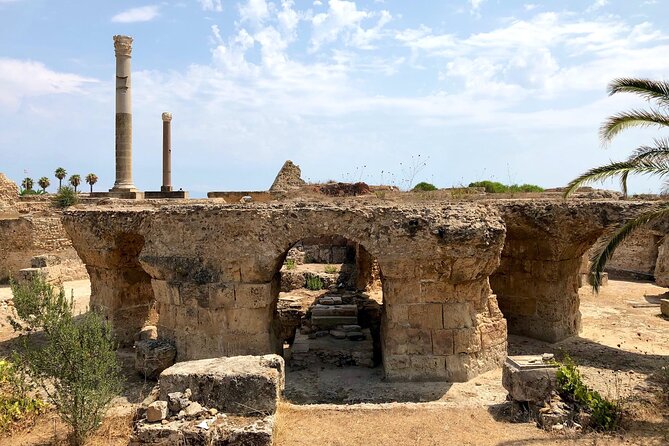
The road from Tozeur to Douz crosses Chott el Jerid, Tunisia’s great salt lake. Its broad, stark surface is a major visual change from the oasis towns and mountains. Conditions affect what you see, so the colors and reflections can vary, but the crossing itself is a key part of the journey.
Douz is often called a gateway to the Sahara, and this tour gives you several ways to experience it. You visit the local market and the Sahara Museum, then have the option of a camel ride and quad-bike driving on the dunes.
Those activities make the day more hands-on, but they may not all suit everyone. A camel ride can be physically demanding, and quad biking requires comfort with operating a vehicle on sand. The supplied price information does not clearly say if these optional activities are included, so confirm before budgeting for them.
The highlight is the desert camp overnight. Sleeping beneath the stars gives the tour its strongest sense of occasion. It is also the part most praised in the available feedback, along with the scenery and guide service. Expect a simpler setting than a four-star hotel, which is precisely the point. You trade hotel convenience for a memorable night in the open desert.
Day 6: Matmata, El Jem, and Hammamet
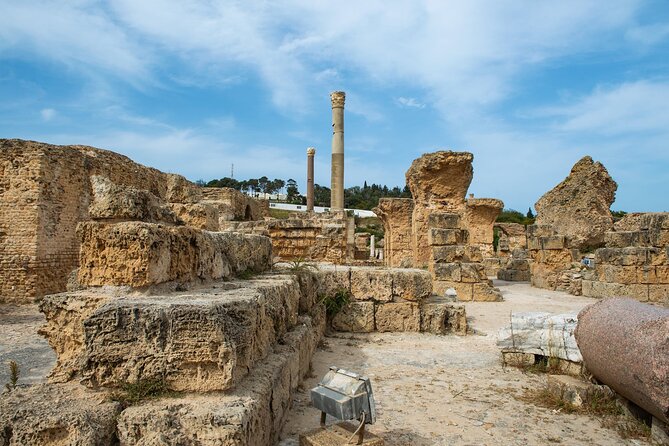
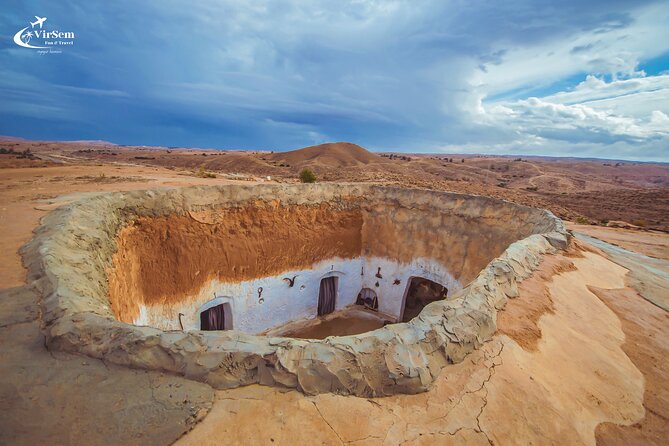
The sixth day brings three very different stops. In Matmata, you visit an underground house in a Berber village. These homes are built around sunken courtyards, with rooms opening off the central space. The design is practical as well as fascinating, offering shade and relief from the heat.
This is a valuable cultural stop because it puts local architecture at the center of the experience. You are not just looking at old stones. You are seeing how people adapted their homes to the climate and terrain.
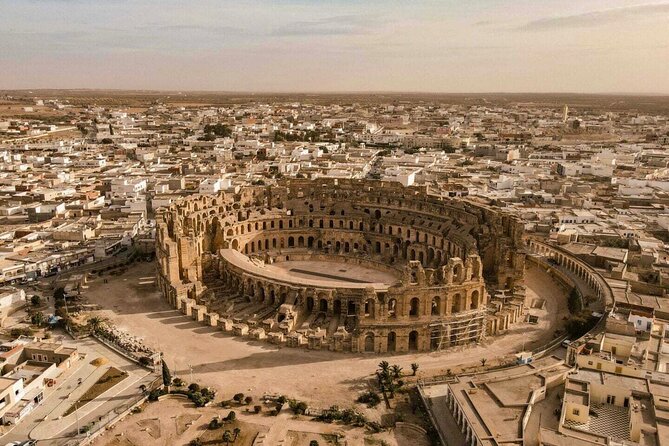
After lunch, the route turns toward El Jem and its immense Roman amphitheater, another UNESCO World Heritage Site. The monument is one of Tunisia’s great visual surprises. Its scale makes clear how important public spectacles were in the Roman world, and its condition allows you to picture the structure as more than a ruin.
The day ends in Hammamet, with a night at a four-star hotel. The schedule assigns roughly five hours to each listed stop, but the three-stop structure makes this another demanding day. The payoff is variety: Berber architecture in the morning, Roman engineering in the afternoon, and a coastal resort base by evening.
Day 7: Bardo, Carthage, and Sidi Bou Said
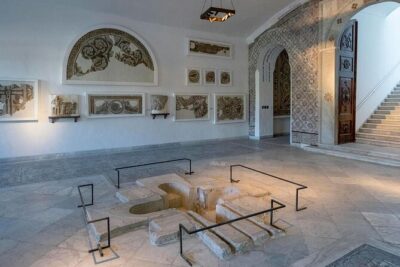
The final sightseeing day returns you to the Tunis area and packs in three major attractions. At the Bardo Museum, you can expect Tunisia’s ancient art and archaeology to be gathered in one place. The museum provides useful context for the Roman sites you have already visited, especially the mosaics and artifacts that are difficult to understand when seen without explanation.
You then visit the Medina of Tunis before lunch in La Goulette. The medina brings narrower streets, traditional urban architecture, and a change from the open archaeological sites. La Goulette provides the meal stop, with drinks still excluded from the full-board package.
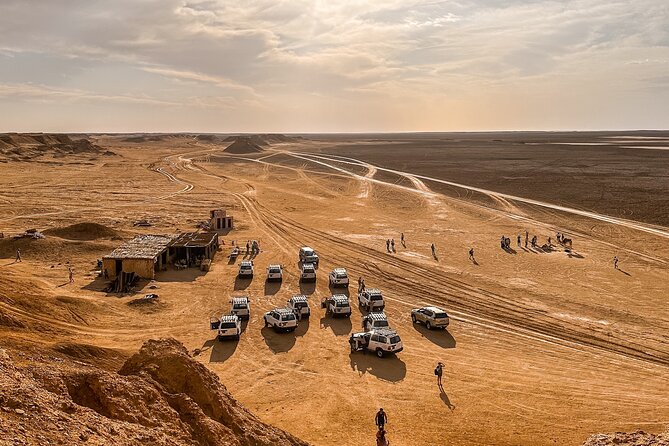
Next comes Carthage, a UNESCO World Heritage Site with layers of Phoenician, Roman, and later history. Because the remains are spread across several areas, a private guide is especially useful. The visit is listed at about three hours, enough for a focused overview but not a complete study of every site connected with ancient Carthage.
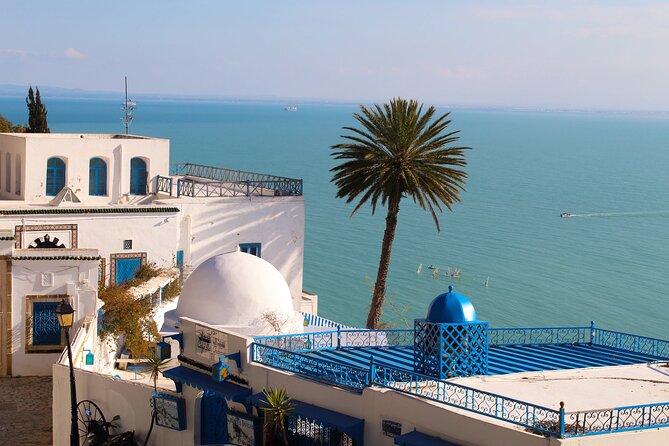
The day ends in Sidi Bou Said, the famous hill town overlooking the sea. Its white-and-blue appearance offers a graceful final stop after so many ruins and desert views. You have about two hours here, which should allow time for a walk and photos, though you should not expect a long, relaxed evening.
Meals, hotels, and what the price covers
At $2,787.98 per person, this is not a budget tour. Its value depends on how much you would otherwise spend arranging a private vehicle, airport transfers, hotels, site visits, meals, desert transport, and a guide across eight days.
The package includes private transportation, parking fees, airport or departure tax, and full board. The stated meal count is six lunches, six dinners, and five breakfasts. That is helpful for a route with long driving days, since you do not need to search for a restaurant at every stop.
Drinks are not included, so allow extra money for water, coffee, soft drinks, and any other beverages. International flights are also excluded.
The hotels named are four-star properties in Tunis and Hammamet, with a four-star hotel or similar arrangement in Tunis and an overnight in Tozeur. The desert camp is a different type of accommodation, and the details supplied do not specify its facilities. Ask about bedding, bathrooms, and heating or cooling if those details matter to you.
The package also offers group discounts, but no discount amount is provided. Ask for the exact price before booking, especially if you are traveling with several people.
The guide can shape the whole experience
A private tour succeeds or fails partly on the guide. The available feedback gives special credit to Mourad, describing him as excellent and highlighting the strong emotions shared during the trip. That is meaningful because this route contains many places where background and interpretation make a real difference.
A good guide can connect Kairouan’s monuments, Roman engineering, Berber homes, and desert life into one story instead of treating each stop as an isolated photo opportunity. You also have the advantage of being able to ask for clarification or adjust the pace within the limits of the schedule.
VirSem Fun & Travel is the listed provider. The experience has a five-star rating based on three ratings, with praise focused on the complete route, beautiful scenery, UNESCO sites, and the desert night. Three ratings are encouraging, but still a small sample, so I would judge the tour mainly by its itinerary, inclusions, and suitability for your pace.
Who should book this tour?
I would recommend it to you if you want a broad first look at Tunisia and prefer private touring to independent planning. It works especially well for couples, families, or small groups who want the freedom of private transportation and the efficiency of one organized route.
You should also enjoy history. The tour includes several major archaeological and cultural sites, and many days combine multiple subjects. You will get more from it if Roman ruins, Islamic architecture, Berber traditions, and museum collections all appeal to you.
The route is less suitable if you want a beach holiday, a slow food trip, or long free periods in each town. It is also not ideal if long road days are difficult for you. The itinerary is ambitious, and its reward is range rather than rest.
Before booking, confirm the exact hotel names, the desert camp facilities, the actual airport pickup time, and the cost of optional camel, quad-bike, and carriage activities. Also ask how the group discount works and what type of private vehicle will be used.
Should you book the Tunisia Grand Tour?
Book it if you want Tunisia in broad, memorable strokes: ancient ruins, sacred architecture, salt flats, palm oases, Berber homes, film locations, and one special night in the Sahara. The strongest reasons to choose it are the private format, full-board arrangement, and unusually wide range of sights.
Skip it if you need a gentle pace or want to explore each destination at leisure. At this price, you should be comfortable paying for convenience, coverage, and private service rather than looking for the cheapest way across the country.
For an ambitious first visit, I think the route offers strong value, especially if Mourad is guiding your group. Just pack patience for the long days, and treat the desert camp as the trip’s headline experience.
FAQ
How long is the Tunisia Grand Tour?
The tour lasts approximately eight days, beginning with airport pickup in Tunis and ending with a transfer to the airport on day eight.
Is this a private tour?
Yes. Only your group participates in the activity, and private transportation is included.
Are meals included?
Yes. The package includes six lunches, six dinners, and five breakfasts. Drinks are not included.
Are international flights included?
No. International flights are not included in the tour price.
Does the tour include a desert overnight stay?
Yes. On day five, you spend the night at a desert camp beneath the stars.
Can I cancel for a full refund?
Yes. You can cancel at least 24 hours before the local start time for a full refund. Cancellations or changes made less than 24 hours before the start time are not accepted for a refund.
Newest from Tunis
- Private Arrival Transfer: Tunis Airport to Tunis Hotel★ 4.5 · 5 reviews
- Cap Bon Guided Day Tour from Tunis★ 5.0 · 2 reviews
- Tunis Group Tour: Carthage, Sidi Bou Said, Bardo museum & Medina★ 5.0 · 5 reviews
- Walking City Tour★ 4.5 · 7 reviews
- Dougga Guided Day Tour from Tunis★ 5.0 · 5 reviews
- Unveiling the Beauty of Sidi Bou Said and Carthage Private Tour★ 5.0 · 2 reviews
- Tunisia 7-Day tour★ 5.0 · 6 reviews
- Bardo Museum , Oudhna and the roman aqueduct★ 5.0 · 4 reviews
Private Tours in Tunis, compared.
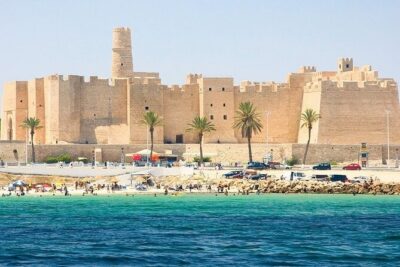
Private Tour to Kairouan, El Jem & Monastir from Tunis_hammamet
Read our review →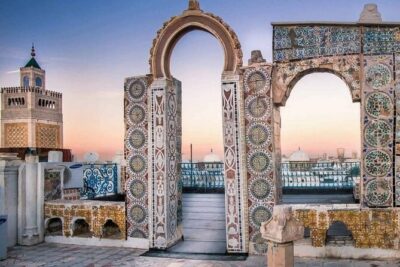
Private tour: Medina,Carthage ,Sidi Bou Said, Bardo Museum+lunch
Read our review →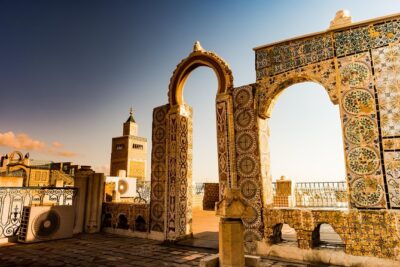
Carthage, Bardo Museum, Sidi Bou Said and Medina Private Day Tour
Read our review →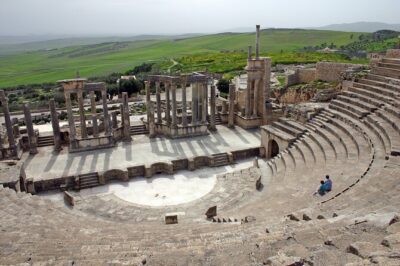
Private Excursion to Testour, Dougga and Bulla Regia from Tunis.
Read our review →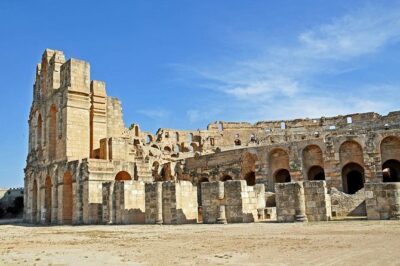
Private Day Tour Tunis Medina Carthage Sidi Bou Said Bardo Museum
Read our review →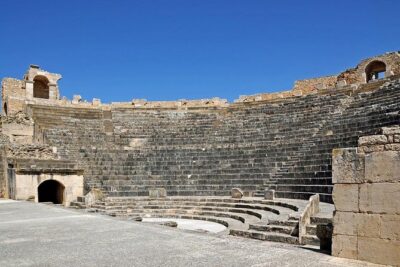
Full Day Dougga & Bulla Regia Via Testour Private tour with Lunch
Read our review →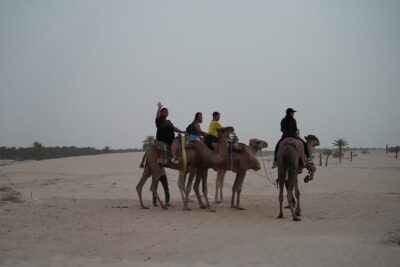
Browse the lists this tour appears in