
Reviewed · TUNIS TOURS
The Best of Tunisia, 3 Days Guided Tour with Lunch
Tunisia packs centuries into three busy days. This private tour links five UNESCO World Heritage sites with seaside towns, Roman ruins, local food, and a blue-and-white village, giving you a broad first look at the country without having to arrange every transfer yourself. I especially like the mix of Carthage and El Djem, and I like that the private format lets your group move with a guide and driver rather than a large coach. The main tradeoff is clear: the schedule covers a lot of ground, so some stops receive only 30 to 60 minutes.
The tour begins at 8:30 a.m. and costs $494.77 per person. That is a serious price, but it includes private transportation, guiding, admission tickets, and lunch, while also reaching places that are awkward to connect by public transport. The strongest praise goes to the staff: Fahmi, Chouaib, Yousra, Said, Saaed, and Ahmed are singled out for punctuality, safe driving, fluent English, and thoughtful care.
In This Review
- Key points to know before booking
- Why this three-day route works
- Day one: Tunis, Carthage, and Sidi Bou Said
- Medina of Tunis in 45 minutes
- La Goulette and the sea for one hour
- Carthage’s scattered ruins in 80 minutes
- Sidi Bou Said and its blue-and-white finish
- Day two: Kairouan’s sacred architecture and El Djem’s arena
- The Great Mosque of Kairouan in 45 minutes
- Aghlabid Basins and practical engineering
- Kairouan’s medina, pastries, and carpets
- El Djem’s Roman amphitheater in 80 minutes
- The El Djem Archaeological Museum in 40 minutes
- Day three: Hammamet, Sousse, and Monastir
- Hammamet’s old town and resort coast
- Sousse’s UNESCO medina in one hour
- Monastir’s Ribat and 100 minutes by the water
- What the $494.77 price really buys
- Guides, drivers, and the feel of a private tour
- Who should book this Tunisia tour?
- FAQ
- How long is the tour?
- What time does the tour start?
- Is the tour private?
- Which UNESCO World Heritage sites are included?
- Are admissions included?
- Is lunch included?
- Can I cancel for a full refund?
- What happens if bad weather cancels the tour?
- Should you book it?
Key points to know before booking
- Five UNESCO sites in three days: See the medinas of Tunis, Kairouan, and Sousse, the ruins of Carthage, and El Djem’s Roman amphitheater.
- A private guide and driver: Only your group participates, with pickup offered and a start time of 8:30 a.m.
- The best Roman stop is El Djem: Its third-century amphitheater held about 30,000 spectators and remains remarkably well preserved.
- Lunch adds practical value: The included meals received strong praise for showcasing food from different Tunisian regions.
- The pace is efficient, not leisurely: Long driving days connect Tunis with Kairouan, El Djem, Hammamet, Sousse, and Monastir.
- Strong staff record: Fahmi, Chouaib, Yousra, Said, Saaed, and Ahmed are named for punctual service, good English, local insight, and safe driving.
Why this three-day route works
Tunisia is compact enough to tempt ambitious sightseeing, but its major attractions are spread across different parts of the country. This route solves that problem by arranging the difficult connections for you.
Day one stays near Tunis and the northern coast. Day two heads south toward Kairouan and El Djem. Day three moves through Hammamet, Sousse, and Monastir before finishing on the coast. You will spend time in a vehicle, but you also get a useful range of Tunisian experiences: Islamic architecture, Roman archaeology, old markets, coastal towns, and modern marina life.
The private setup matters. You are not waiting for a large group at every doorway, and your guide can explain a mosque, ruin, or medina at a pace that suits your group. The tradeoff is that a private tour does not magically shorten the roads. You still need comfortable shoes, water, and patience for a full sightseeing day.
Two or three more Tunis trips worth a look
- Private tour: Medina,Carthage ,Sidi Bou Said, Bardo Museum+lunch
★ 5.0 · 230 reviews - Full Day Dougga & Bulla Regia Via Testour Private tour with Lunch
★ 5.0 · 29 reviews - Tour of Tunis Carthage and Sidi Boussaid with local lunch
★ 5.0 · 7 reviews
Day one: Tunis, Carthage, and Sidi Bou Said
Medina of Tunis in 45 minutes
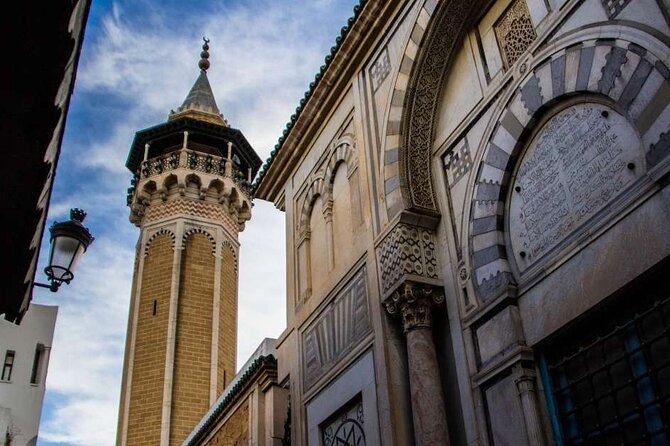
Begin in the old city of Tunis, a maze of narrow streets, covered souks, cafes, workshops, residences, mosques, palaces, hammams, and religious schools. This is not a museum district sealed away from daily life. It is a working city, and its large painted doors often open into quiet homes or historic buildings.
Look up as you walk. Carved stucco, tilework, marble columns, and wooden doors reward attention, while the souks bring a more practical side of the old city. Shoes, shisha supplies, crafts, and food fill the lanes. Forty-five minutes is enough for a guided introduction, but not enough for a slow wander through every market street.
I would use this first stop to learn the basic visual language of Tunisian architecture. Once your guide points out the repeated patterns and details, you will notice them again in Kairouan, Sousse, and the other old quarters.
La Goulette and the sea for one hour
La Goulette adds a change of mood. This coastal district is known for cafes and restaurants along the sea, with a lively street scene throughout the year.
The hour here breaks up the old-city sightseeing and gives you a chance to sit, look around, and enjoy the shoreline. It is not one of the tour’s UNESCO sites, so think of it as a local interlude rather than a major historical stop. If your group prefers ruins and monuments, this may feel less essential. If you appreciate ordinary Tunisian life and a pause by the water, it earns its place.
Further south, and a completely different kind of day out:
- Private Tour to Kairouan, El Jem & Monastir from Tunis_hammamet
★ 5.0 · 301 reviews - Carthage, Bardo Museum, Sidi Bou Said and Medina Private Day Tour
★ 4.5 · 153 reviews - Private Excursion to Testour, Dougga and Bulla Regia from Tunis.
★ 5.0 · 100 reviews - Guided Bike Tour of Carthage Archeological Site in Tunisia
★ 5.0 · 88 reviews
Carthage’s scattered ruins in 80 minutes
Carthage is one of the day’s major rewards. The archaeological site is spread through the modern city of Carthage rather than gathered in one compact enclosure, so your guide helps turn separate remains into a connected story.
The site has UNESCO status and enormous importance for understanding Tunisia’s ancient past. You will not experience Carthage as one single dramatic building. Instead, expect an archaeological area scattered among present-day streets, with the setting itself helping you grasp how much of the ancient city once occupied this coast.
An hour and 20 minutes gives you a solid introduction, though the scale of the site means you will not see every corner. This is one of the places where a good guide makes a major difference. Fahmi and Chouaib are praised for clear explanations, local knowledge, and knowing how to avoid the worst crowds. Those qualities are useful at a large, spread-out site such as Carthage.
Sidi Bou Said and its blue-and-white finish
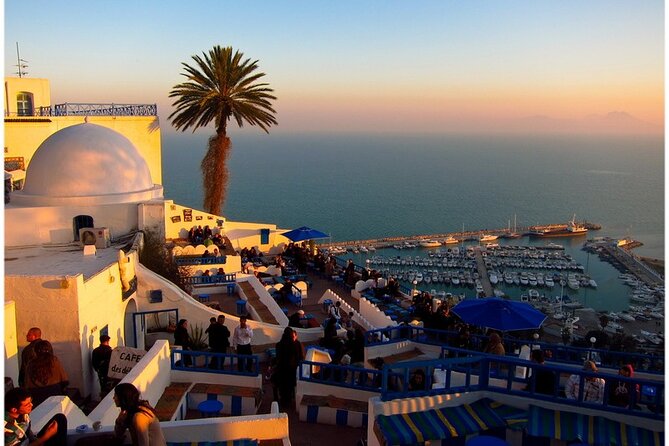
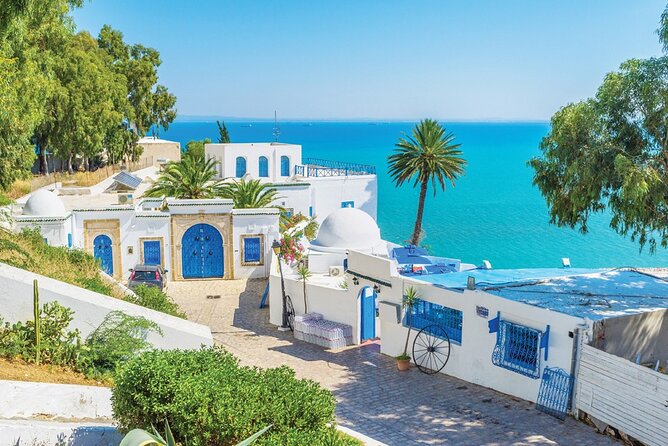
The final stop is Sidi Bou Said, a cliff-top village known for white buildings, blue details, cobbled lanes, and broad views toward the water. Its architecture reflects Ottoman and Andalusian influence, linked in part to the arrival of Spanish Muslims in the 16th century.
Forty-five minutes is enough to walk, take in the views, and photograph the distinctive doors and facades. It is a short visit, so do not expect a long cafe afternoon or a detailed exploration of every lane. Still, this is a fine way to end the first day because it offers a lighter, more visual experience after the density of the medina and Carthage.
Day two: Kairouan’s sacred architecture and El Djem’s arena
The Great Mosque of Kairouan in 45 minutes
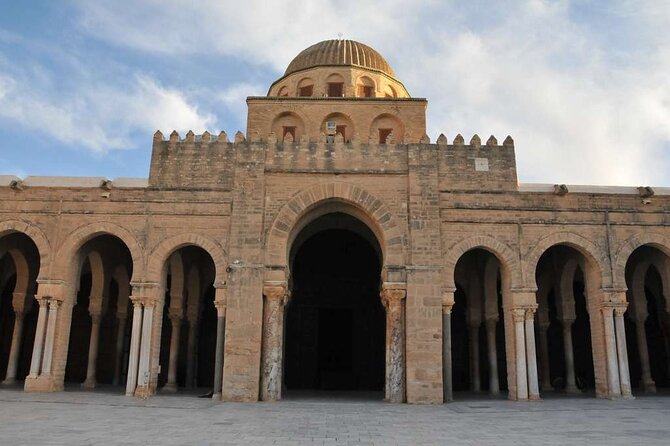
Kairouan is considered the fourth holiest city in Islam, and its Great Mosque is the day’s central sight. Founded in 670, the mosque has the heavy, fortress-like appearance associated with early Islamic architecture in North Africa.
The courtyard is particularly impressive, with large arcades, a sundial, and a sense of space that contrasts with the tight lanes outside. The carved cedar doors and marble columns add finer details. Your visit lasts about 45 minutes, so listen closely to the guide’s explanation rather than trying to inspect every architectural feature on your own.
Because this is a religious place, follow the guide’s instructions about where you may go and how to behave. The value here is not only visual. Kairouan gives you a clear look at the religious and architectural importance of inland Tunisia.
Aghlabid Basins and practical engineering
The Aghlabid Basins receive 30 minutes. These ninth-century waterworks lie outside Kairouan’s medina and are regarded as major achievements in the history of Muslim hydraulic engineering.
This stop may appeal most if you like the practical side of history. The basins show how a city supported itself with water management, rather than relying only on grand religious buildings. Thirty minutes is a sensible length, since the site is focused and open rather than filled with rooms and displays.
Kairouan’s medina, pastries, and carpets
The medina of Kairouan is described as one of Tunisia’s best preserved and most authentic old quarters. Here, the emphasis shifts from monumental architecture to craft and food.
You may see carpets being made and have the chance to taste Mekroudhs, the city’s well-known pastry. This is a good place to ask your guide how the local products differ from what you see in Tunis or Sousse. The one-hour visit gives you time to walk through the souks without turning the stop into a rushed photo opportunity.
Be aware that souks can include shopping pressure, especially when local crafts are part of the experience. You are not required to buy anything. Enjoy the workmanship, ask questions, and decide for yourself.
El Djem’s Roman amphitheater in 80 minutes
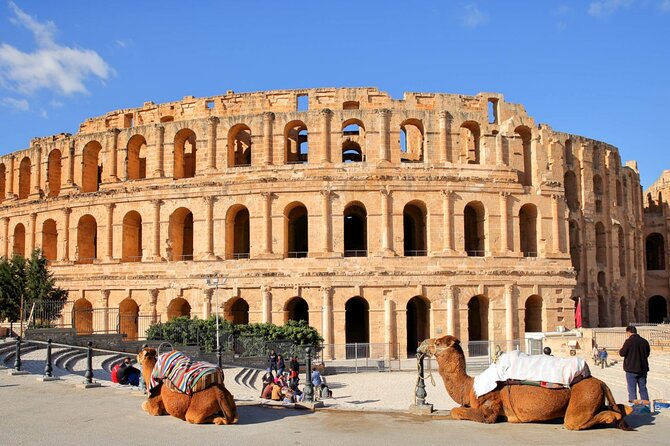
El Djem is likely to be the visual highlight of the tour. The ancient city of Thysdrus once had a Roman amphitheater that could hold around 30,000 spectators. It was built in the third century AD and is the third-largest Roman amphitheater after Rome and Capua.
Unlike the more scattered remains at Carthage, El Djem presents one huge, readable monument. You can understand its scale quickly, then explore the interior and imagine the crowds that once filled it. The stonework remains in notably good condition, making this an especially rewarding stop for anyone interested in Roman sites.
You receive about 80 minutes here. That allows time for the main levels and views, though the heat can make the open stone surfaces tiring. Wear supportive shoes and bring sun protection. The amphitheater’s size is memorable, but the visit is still active rather than a quick roadside photograph.
The El Djem Archaeological Museum in 40 minutes
The nearby museum adds detail to the amphitheater. Built over a Roman villa, it follows the villa’s original arrangement around a central courtyard and displays sculptures, ceramics, and mosaic paintings found at Thysdrus and nearby sites.
The museum is a useful follow-up because it shows the domestic side of Roman life after you have seen the public arena. Forty minutes is enough to view the main exhibits without taking too much time away from the road. If you are especially interested in mosaics and household archaeology, you may wish the visit were longer.
Lunch is included on the tour, and the meals receive particularly warm praise for presenting foods from different Tunisian regions. Since dining details are not specified in advance, ask your guide about the day’s menu and any ingredients you need to avoid.
Day three: Hammamet, Sousse, and Monastir
Hammamet’s old town and resort coast
Hammamet combines a beach-resort identity with an older town of white houses, ramparts, jasmine scents, and a medina beside the sand. Yasmine Hammamet offers a more modern resort setting, while nearby lemon groves and fields provide a quieter contrast.
The one-hour stop gives you a taste rather than a full beach holiday. You will have time to walk the medina and see how the older town relates to the resort areas. If your priority is swimming or a long seaside meal, this schedule will feel too brief. If you want to understand Hammamet as more than a resort strip, it works well.
Sousse’s UNESCO medina in one hour
The medina of Sousse is a UNESCO World Heritage site and an important example of Arab-Muslim planning in a coastal city. Its design reflects the need to defend the town from dangers arriving by sea, while its streets and buildings create a strong sense of a historic urban center.
One hour is enough for a guided walk through the main area, but the old quarter rewards careful observation. Notice how the coastal setting and defensive purpose shape the town. Sousse is a useful contrast with Kairouan: both have Islamic old quarters, yet Sousse developed beside the sea and faced different pressures.
Admission is included, which keeps the day’s costs predictable. As with the other medinas, use your free moments to look beyond the main route. The small lanes often tell you more about the city’s daily rhythm than the largest landmark.
Monastir’s Ribat and 100 minutes by the water
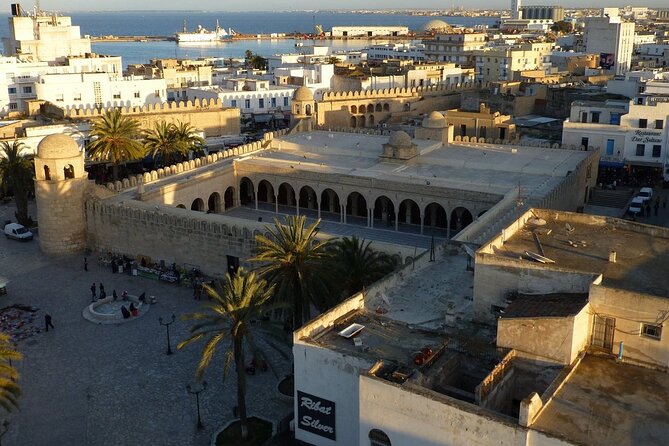
The Ribat of Monastir is the oldest and most important of the defensive buildings erected along the Maghreb coast by the early Arab conquerors. Founded in 796, it was expanded and repaired over the medieval period.
The fortified structure includes four buildings around two courtyards, small cells for warrior monks, and two prayer rooms. One prayer room now holds religious and medieval craft objects. A hundred spiral steps lead to the watchtower, where you can look over the surrounding area.
You have 45 minutes at the Ribat. That is enough to understand its design and climb if you are comfortable with the stairs, but not enough for a slow museum visit and a long architectural study. If you have limited mobility, ask the provider about the tower and stair access before booking.
The final 30 minutes at Monastir Marina offer a gentle finish. The port handles visiting boats, passage, wintering, and regattas. After three days of medinas and ruins, the marina gives you a modern coastal view and a chance to slow down before the tour ends.
What the $494.77 price really buys
At $494.77 per person, this is not a budget sightseeing package. Its value depends on how much you want handled for you.
You are paying for a private experience, a driver, a guide, admission tickets, included lunches, and a route that links several distant areas. Five UNESCO sites in three days would require careful planning, multiple transport arrangements, and a willingness to manage long connections on your own. The private format also means you avoid sharing the experience with strangers.
The price makes less sense if you plan to stay only in Tunis, prefer slow travel, or want to spend several hours in each medina. It makes more sense if your time is limited and you want a broad introduction to Tunisia with local commentary and dependable transport.
Group discounts are available, and the tour is often booked about 67 days ahead. That suggests planning early if your dates are fixed, though the available information does not state how much the discount reduces the price.
Guides, drivers, and the feel of a private tour
The people running the tour are its strongest asset. Fahmi and Said are praised for being punctual, pleasant, and fluent in English, with Fahmi also bringing strong knowledge of Tunisia and other language skills. Chouaib is praised for knowing good viewing spots and avoiding crowds, while Ahmed is noted for safe driving. Yousra and Saeed are praised for taking good care of a solo participant.
These details matter more than polished transport alone. On a route this full, a calm driver and an organized guide can make the difference between a satisfying day and a tiring one. You should confirm your pickup details at booking, since the tour offers pickup but the supplied information does not specify every pickup location.
The tour is private, and most people can participate. Service animals are allowed, and the meeting time is 8:30 a.m. The experience requires good weather. If poor weather cancels it, you can receive a different date or a full refund. You can also cancel for a full refund up to 24 hours before the start time.
Who should book this Tunisia tour?
I would recommend it to a first-time visitor with only three days, especially if you want ancient sites and Islamic architecture in equal measure. It also suits solo visitors and small groups who value a driver, clear English guiding, and the freedom of a private vehicle.
It is less suitable if you want a relaxed holiday based in one town. The itinerary is full, and the driving distances mean that every stop has a time limit. Families and older visitors should consider the heat, uneven medina lanes, and the spiral steps at Monastir’s Ribat.
The best way to enjoy it is to treat the tour as an introduction, not the final word on Tunisia. Use the three days to discover which places deserve a return visit. For many people, that may be Carthage, Kairouan, or El Djem.
FAQ
How long is the tour?
The tour lasts approximately three days.
What time does the tour start?
The stated start time is 8:30 a.m.
Is the tour private?
Yes. Only your group participates in the activity.
Which UNESCO World Heritage sites are included?
The route includes the Medina of Tunis, Carthage, Kairouan, El Djem, and the Medina of Sousse.
Are admissions included?
Admission tickets are included for the Medina of Tunis, Carthage, the Great Mosque of Kairouan, the Aghlabid Basins, the Medina of Kairouan, El Djem’s amphitheater, the El Djem Archaeological Museum, the Medina of Sousse, the Ribat of Monastir, and Monastir Marina.
Is lunch included?
Yes. Lunch is included, and the meals are intended to highlight food from different Tunisian regions.
Can I cancel for a full refund?
Yes. You must cancel at least 24 hours before the experience start time for a full refund. Cancellations made less than 24 hours before the start are not refunded.
What happens if bad weather cancels the tour?
You will be offered a different date or a full refund if poor weather causes the experience to be canceled.
Should you book it?
Book this tour if you want to see a great deal of Tunisia in three days and prefer a private guide and driver to managing the route yourself. The strongest reasons are the five UNESCO sites, El Djem’s exceptional amphitheater, regional lunches, and the repeated praise for punctual, safe, English-speaking staff.
Skip it if your ideal trip moves slowly, with long cafe stops and unplanned hours in each medina. For a short first visit, though, the price buys a practical route through Tunisia’s most important sights, with enough local context to help you choose where to return.
More 3-Day Experiences in Tunis
- 3 Days South Tunisia Discovery Tour with luxury camp and Meals
★ 5.0 · 31 reviews - Private 3 Day Tour in Southern Tunisia or More
★ 5.0 · 17 reviews - The Tunisian South between Oasis and Mountain: 3 Days / 2 Nights Douz and Tozeur
★ 5.0 · 17 reviews - 3-Day South of Tunisia Guided Tour from Tunis
★ 4.0 · 3 reviews
Newest from Tunis
- Private Arrival Transfer: Tunis Airport to Tunis Hotel★ 4.5 · 5 reviews
- Cap Bon Guided Day Tour from Tunis★ 5.0 · 2 reviews
- Tunis Group Tour: Carthage, Sidi Bou Said, Bardo museum & Medina★ 5.0 · 5 reviews
- Walking City Tour★ 4.5 · 7 reviews
- Dougga Guided Day Tour from Tunis★ 5.0 · 5 reviews
- Tunisia 7-Day tour★ 5.0 · 6 reviews
- Unveiling the Beauty of Sidi Bou Said and Carthage Private Tour★ 5.0 · 2 reviews
- Bardo Museum , Oudhna and the roman aqueduct★ 5.0 · 4 reviews
Tunis Tours, compared.
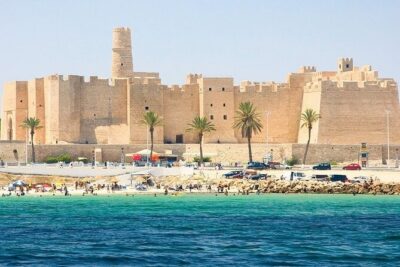
Private Tour to Kairouan, El Jem & Monastir from Tunis_hammamet
Read our review →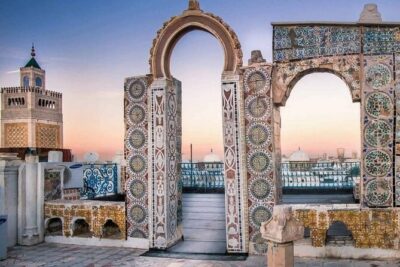
Private tour: Medina,Carthage ,Sidi Bou Said, Bardo Museum+lunch
Read our review →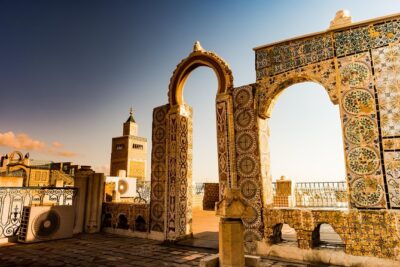
Carthage, Bardo Museum, Sidi Bou Said and Medina Private Day Tour
Read our review →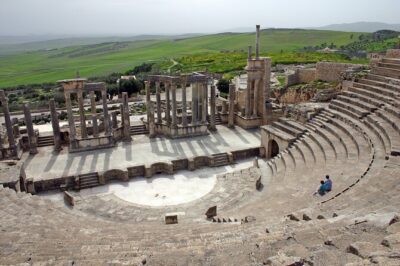
Private Excursion to Testour, Dougga and Bulla Regia from Tunis.
Read our review →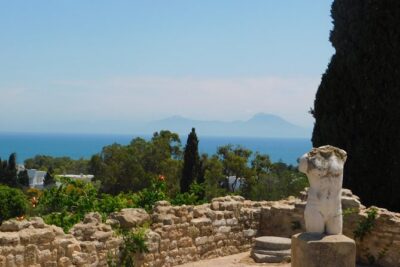
Guided Bike Tour of Carthage Archeological Site in Tunisia
Read our review →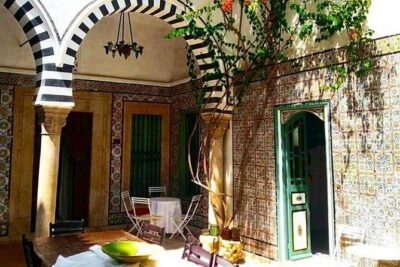
Guided tour in the UNESCO world heritage Medina of Tunis
Read our review →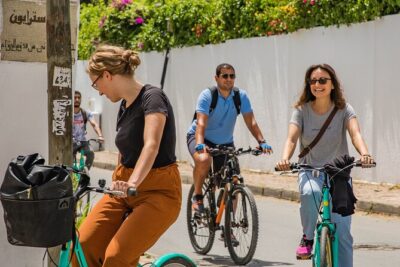
Group Guided Bike Tour of Carthage Archeological Site in Tunisia
Read our review →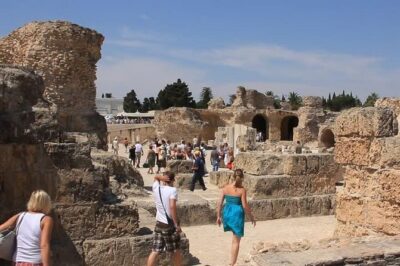
Archaelogical Site Of Carthage + Picturesque Village Of Sidi Bou Said
Read our review →Browse the lists this tour appears in